Citizens United v. FEC is an infamous SCOTUS ruling that determined that corporations and labor unions have First Amendment Free Speech rights, and therefore they are able to donate to political action committees and finance election ads.
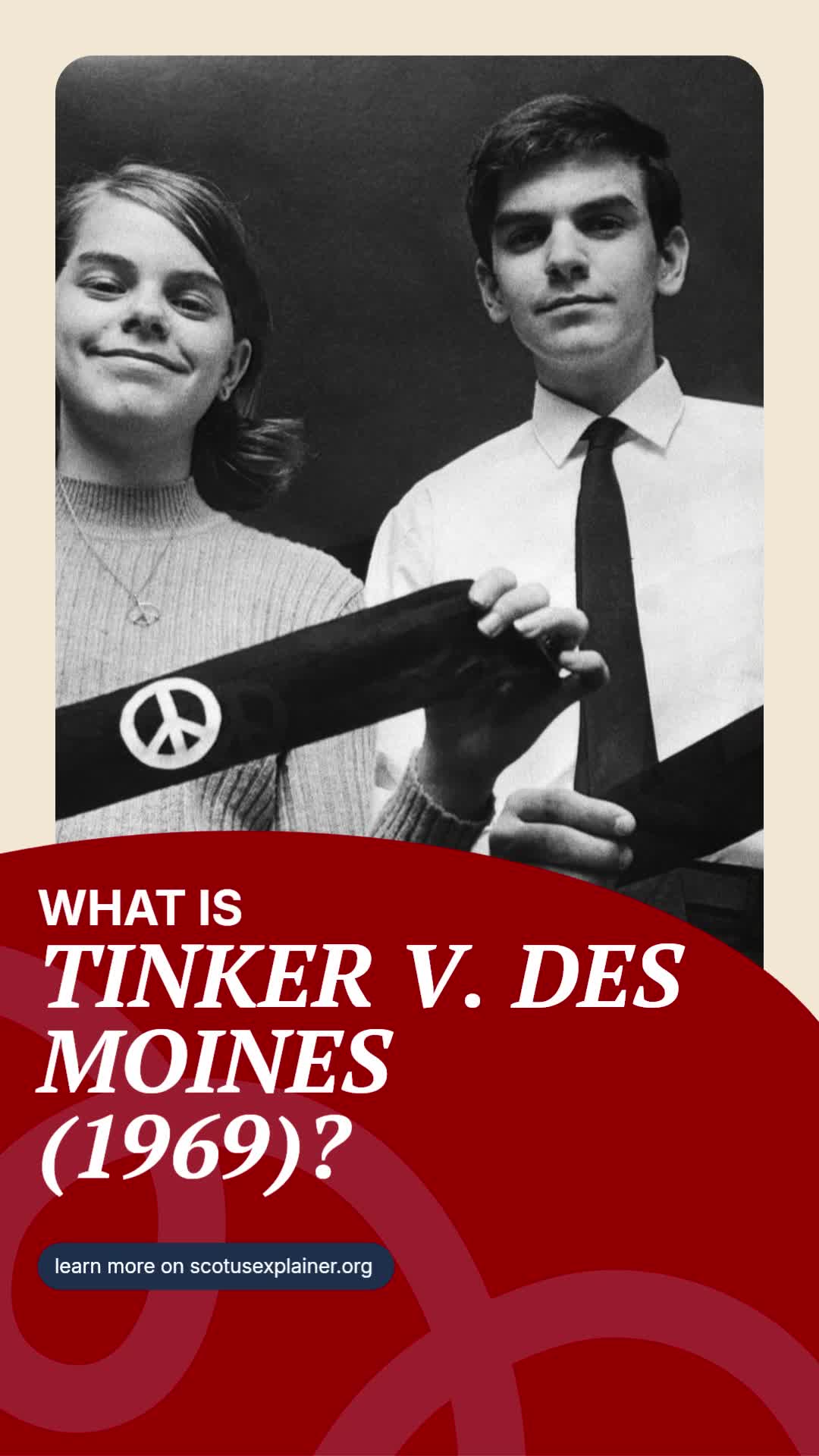
Tinker v. Des Moines was a landmark Supreme Court case that established that schoolchildren are still entitled to their constitutional rights while at school. The Court decided that students were allowed to protest the Vietnam War so long as their behavior was not substantially disruptive.
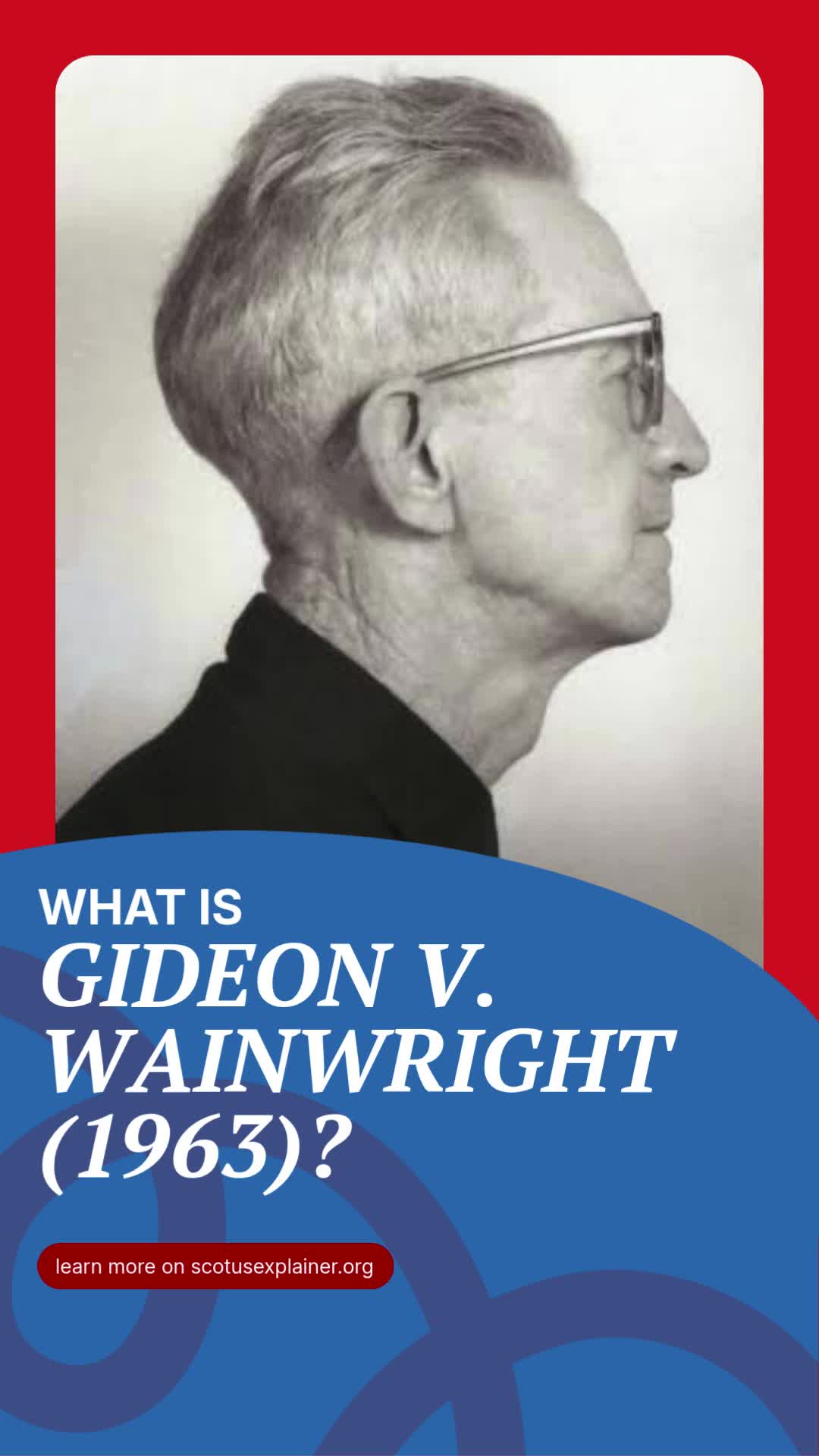
Gideon v. Wainwright is a major Supreme Court case that guaranteed that defendants who could not afford an attorney would be provided one in all criminal cases.
United States v. Lopez was a major Supreme Court case in which the Court put a limit on what Congress could legislate using the Commerce Clause, as they determined that possession of a firearm in school zones was not an economic activity.
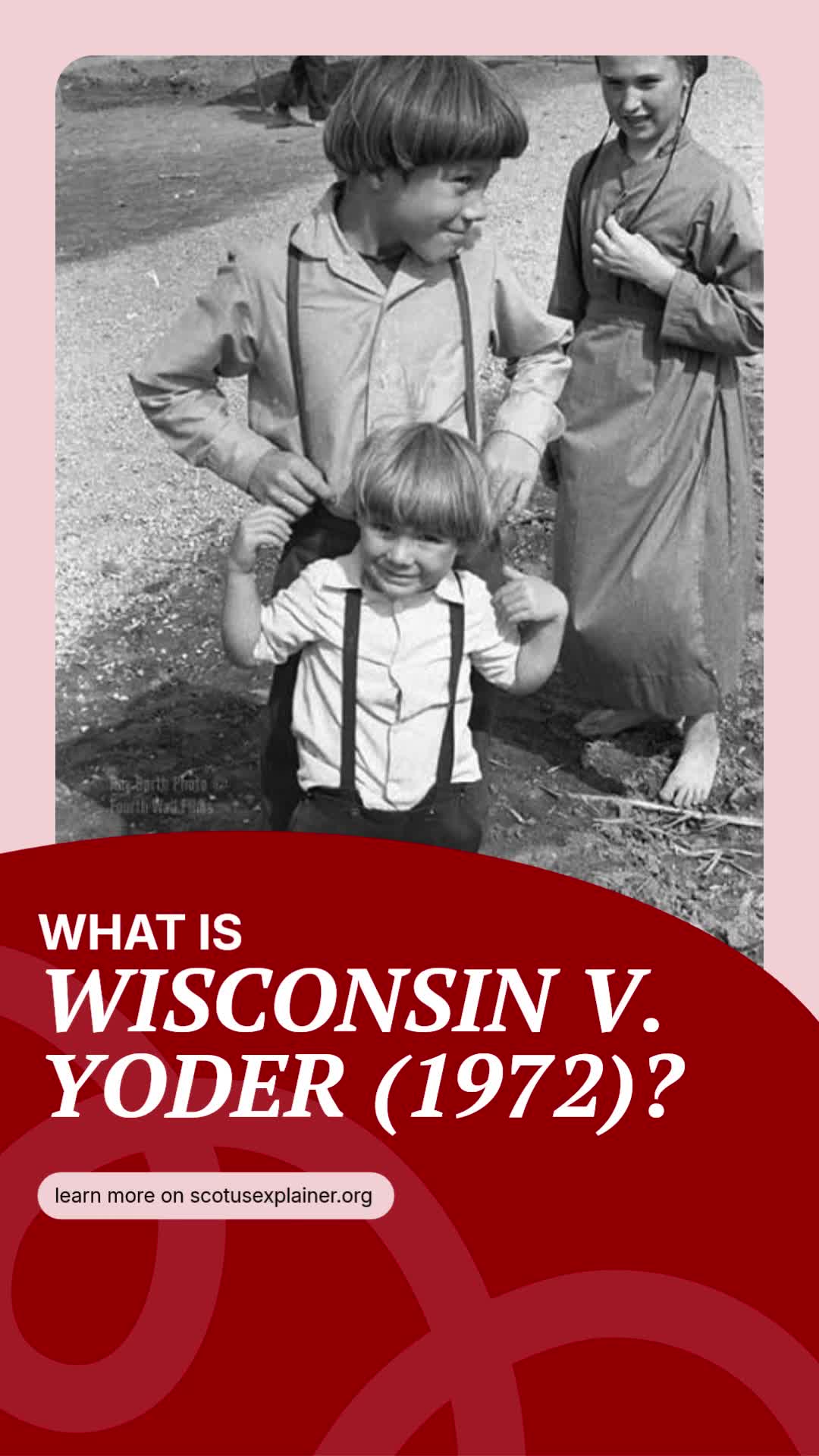
Wisconsin v. Yoder was a landmark case in which the Court decided that the government’s interest in compulsory education was outweighed by the need to protect free exercise of religion.
Engel v. Vitale was a landmark Supreme Court case that affirmed the “wall between church and State” within public schools, as it banned a school board from instituting a voluntary daily prayer.
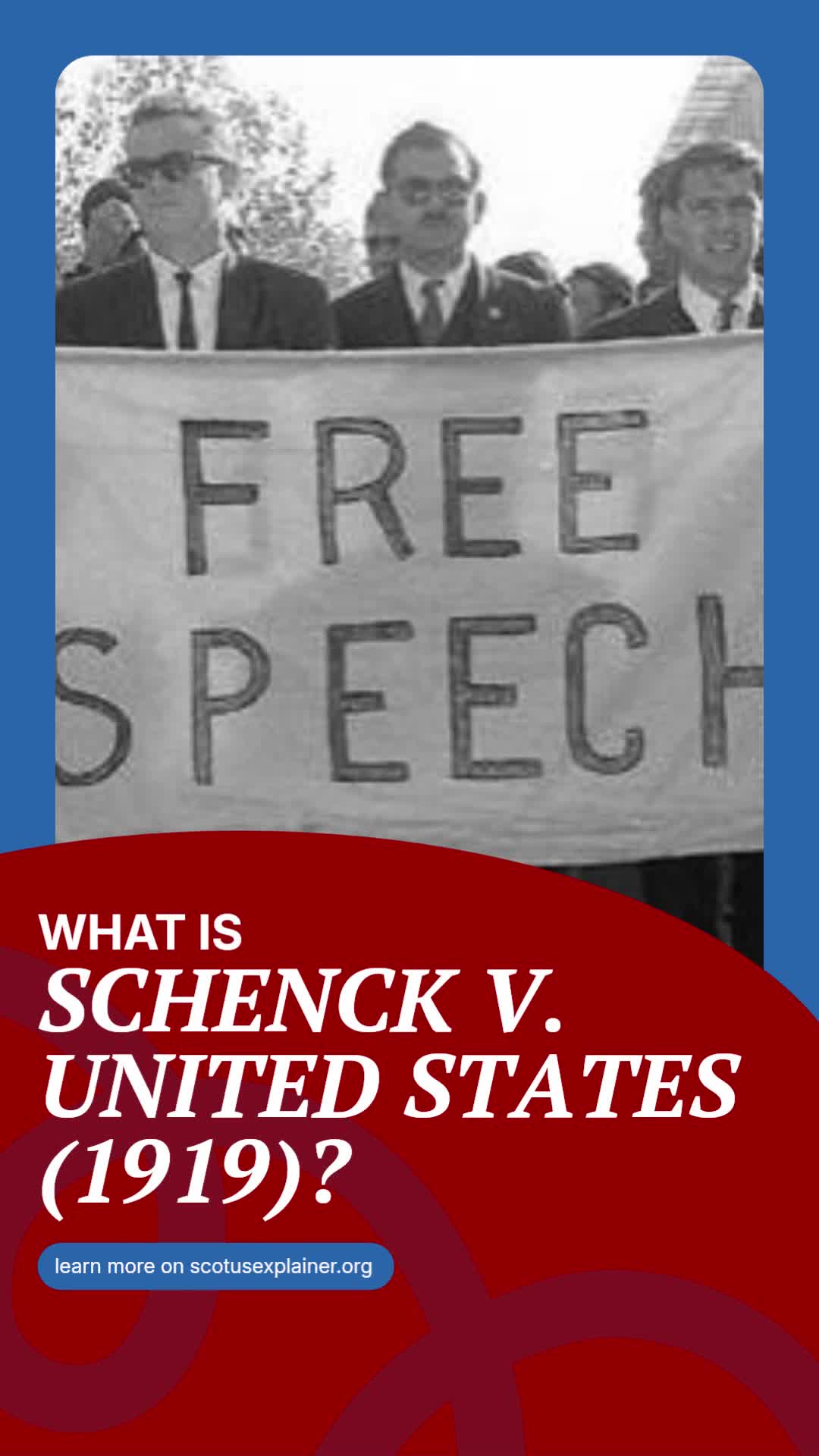
Schenck v. United States was a landmark case about free speech in which it was decided that the government could regulate speech that posed a “clear and present danger.”
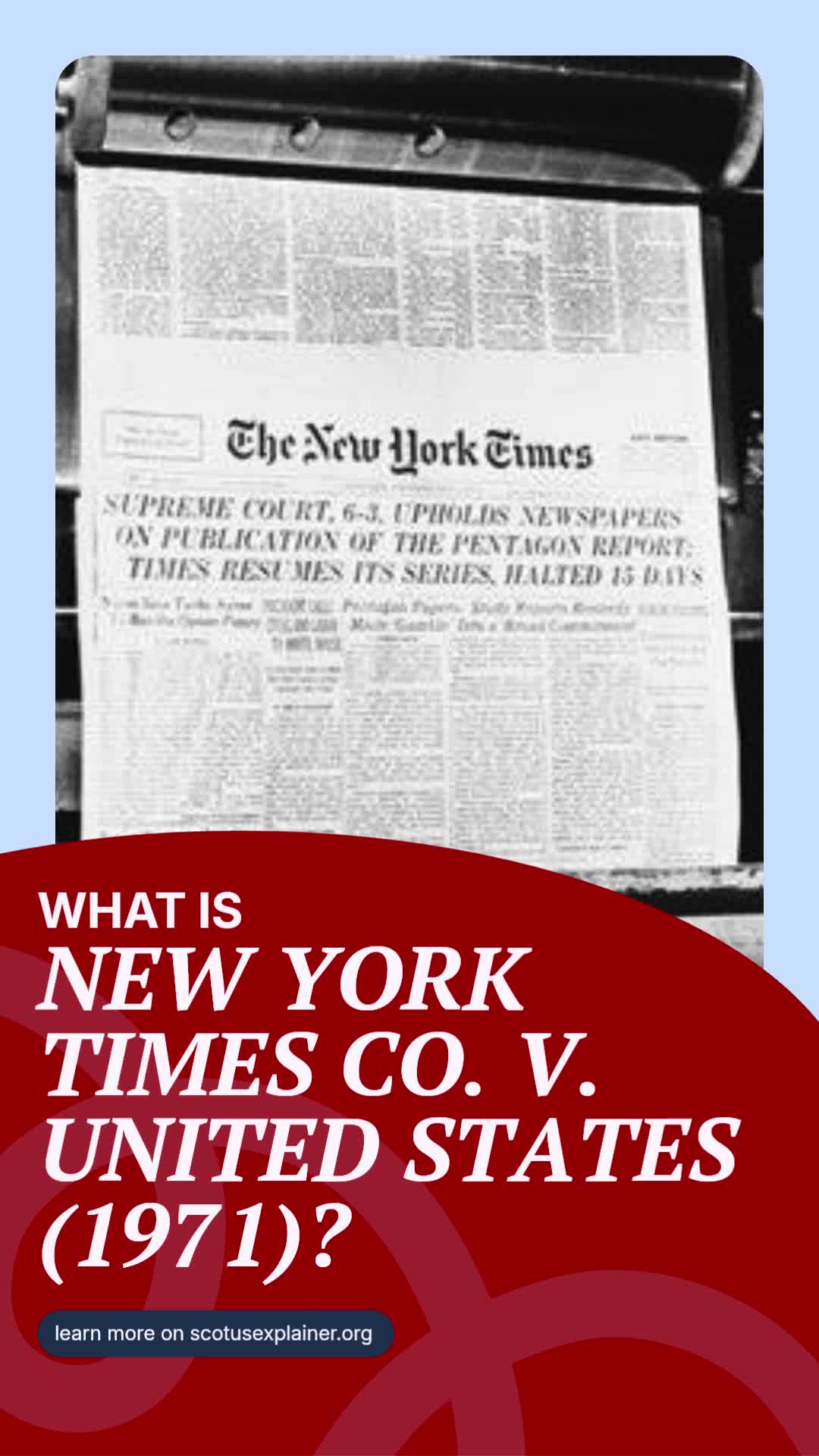
New York Times Co. v. United States was a landmark Supreme Court case that affirmed First Amendment protections for the press and prevented the government from stopping expression before it was made except for in extreme circumstances.
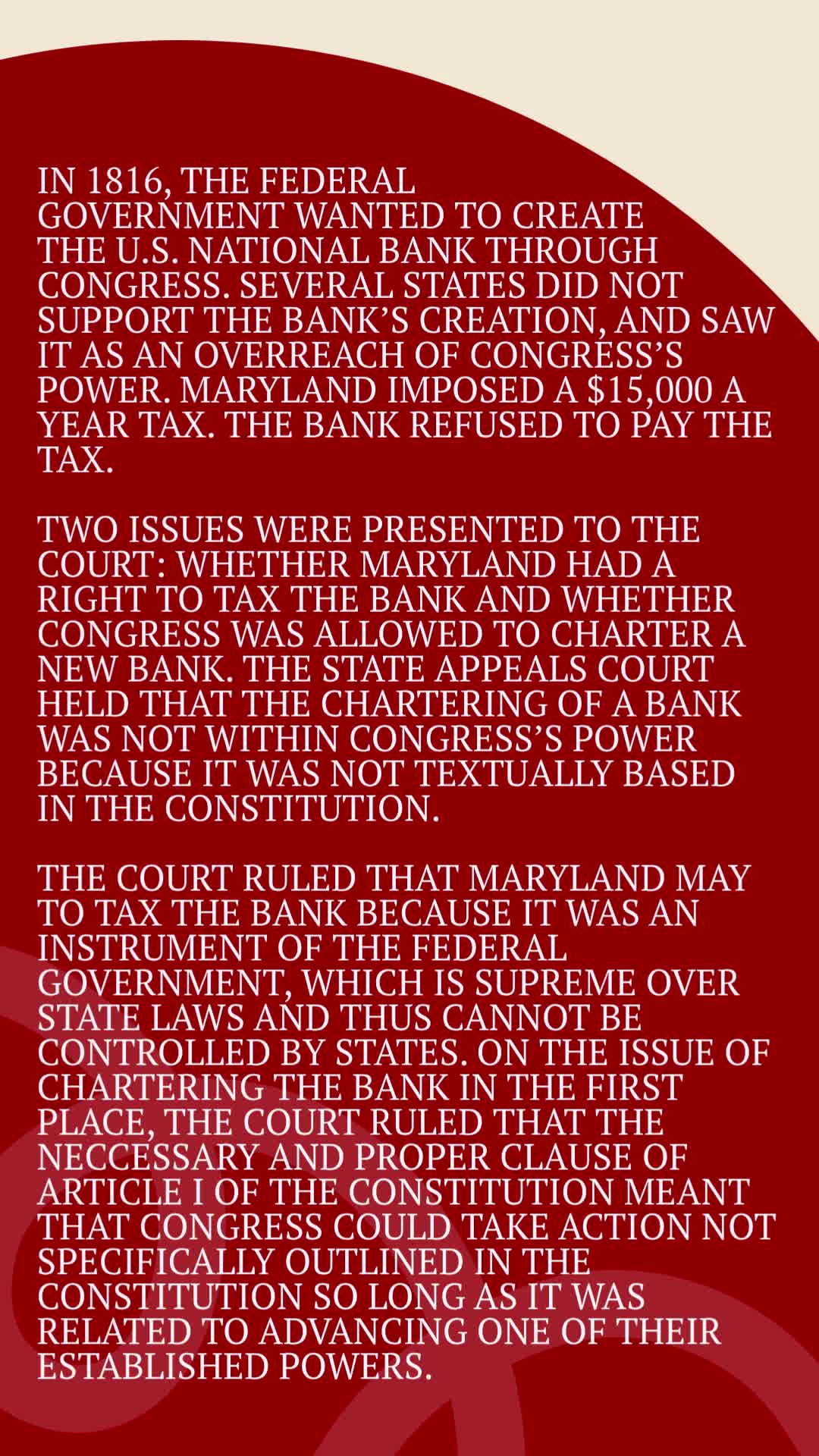
What is McCulloch v. Maryland was a landmark Supreme Court Case in which the Court ruled that Federal laws supercede State laws, and that Congress has many powers not explicitly granted to them in the Constitution because of the Necessary and Proper Clause.
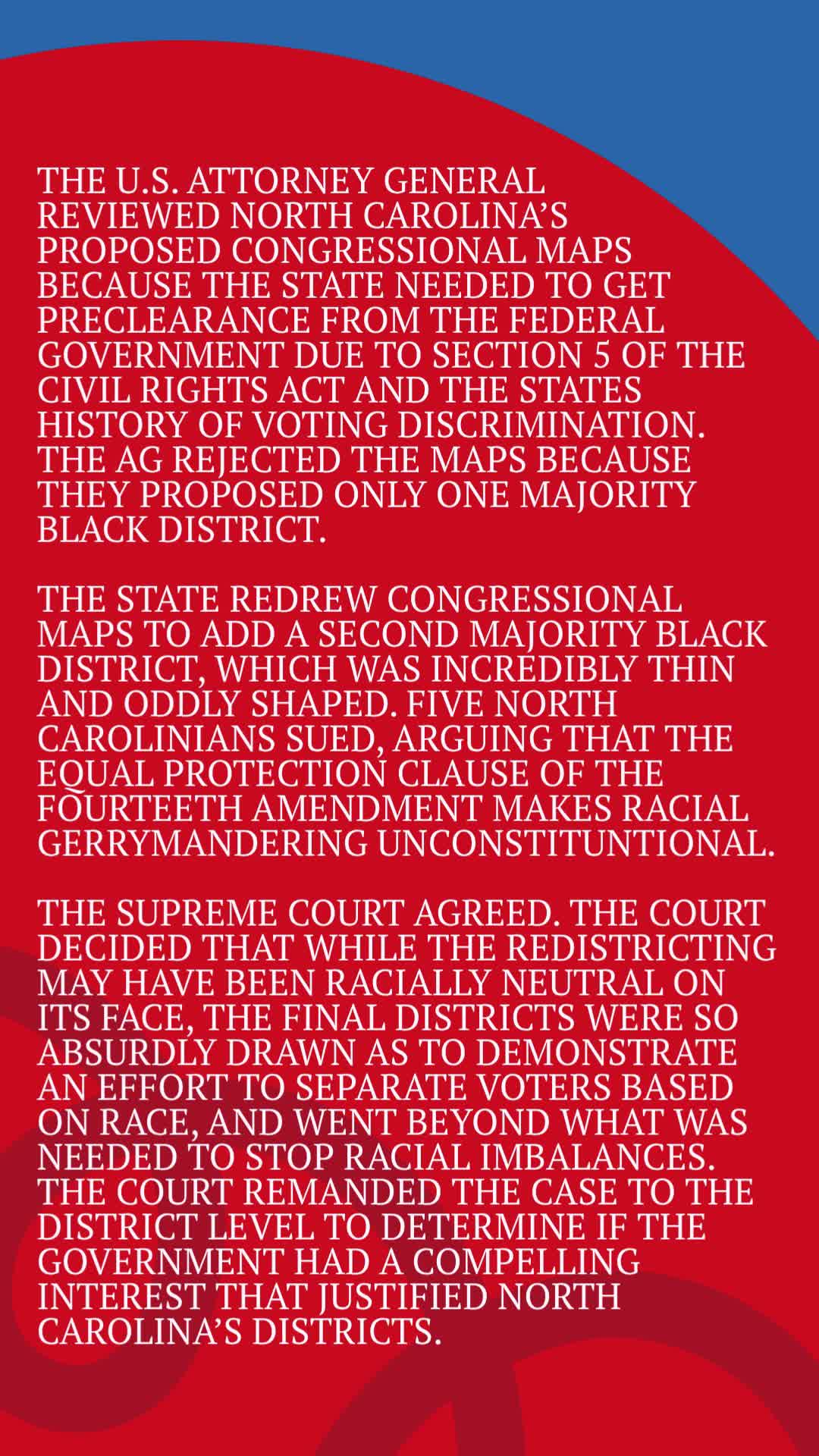
Shaw v. Reno was a landmark Supreme Court decision that dealt with the issue of gerrymandering. The Court ruled that ethnicity could not be the main factor in deciding how to draw Congressional Districts.
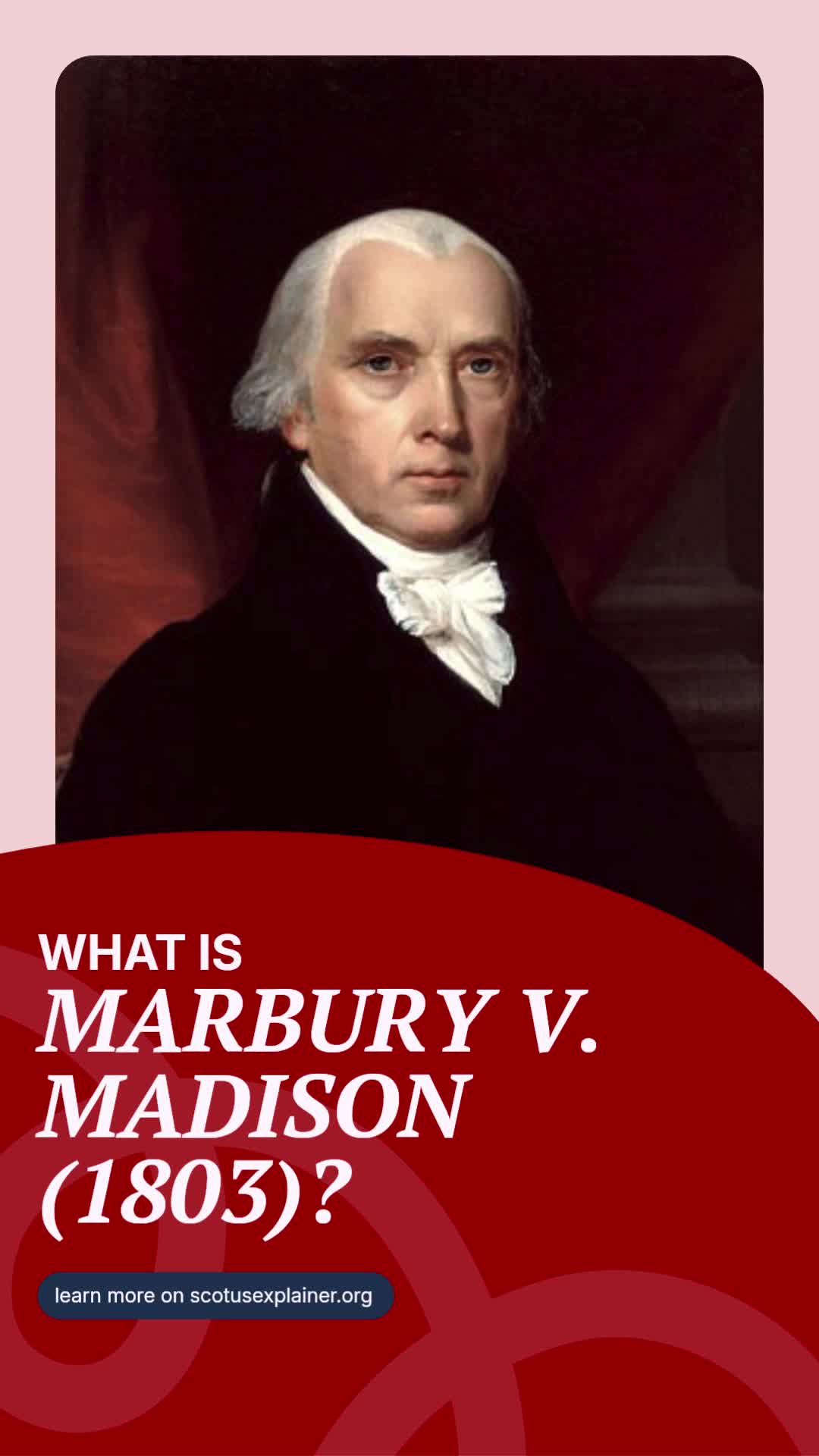
Marbury v. Madison was a landmark Supreme Court that established the principle of judicial review, a key power of the Supreme Court.