Little v. Hecox deferred the issue of transgender women and girls participating in womens’ sports to states, allowing states to ban transgender athletes from participation.
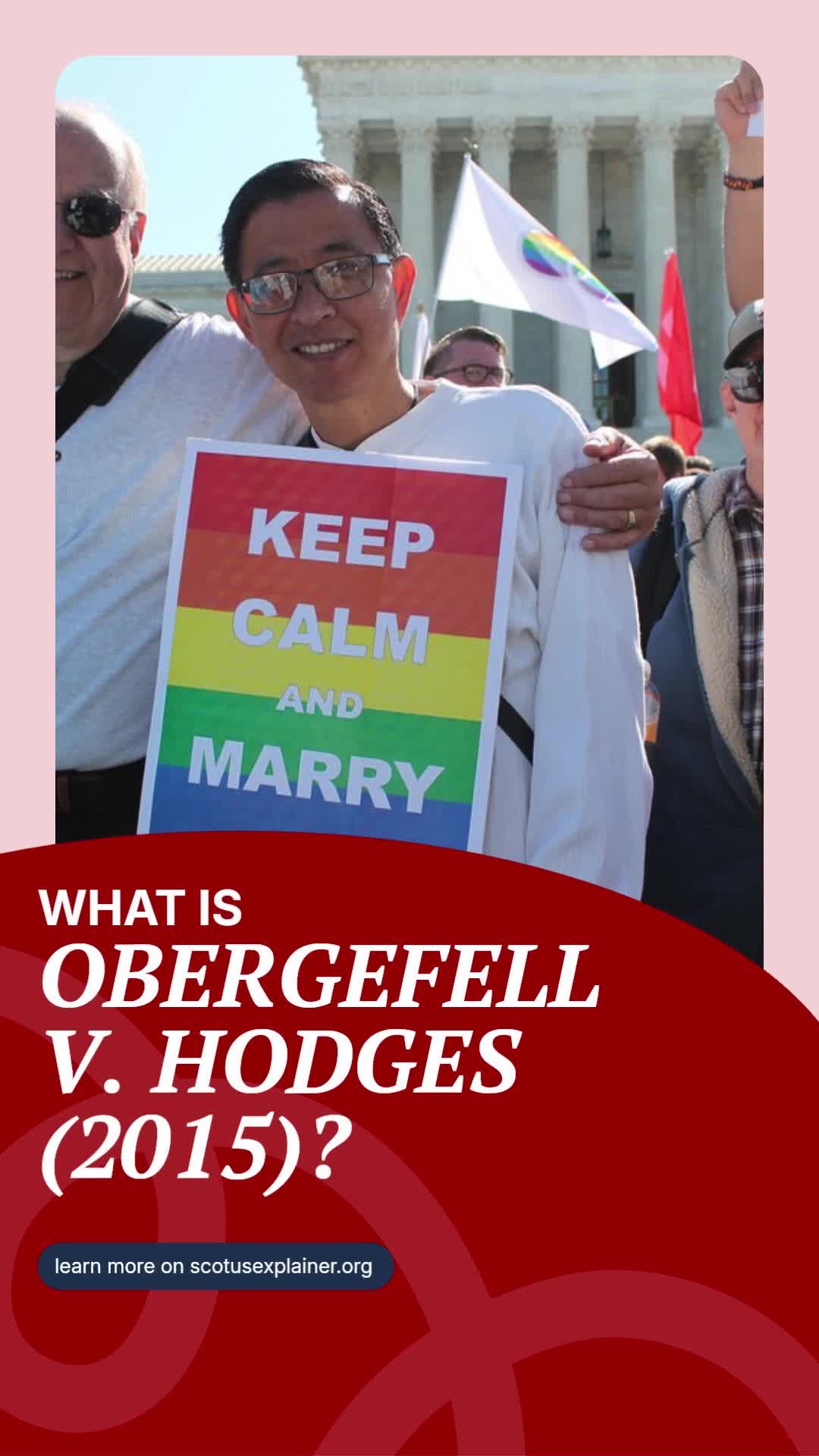
Obergefell v. Hodges was a landmark case that legalize same-sex marriage across the country.
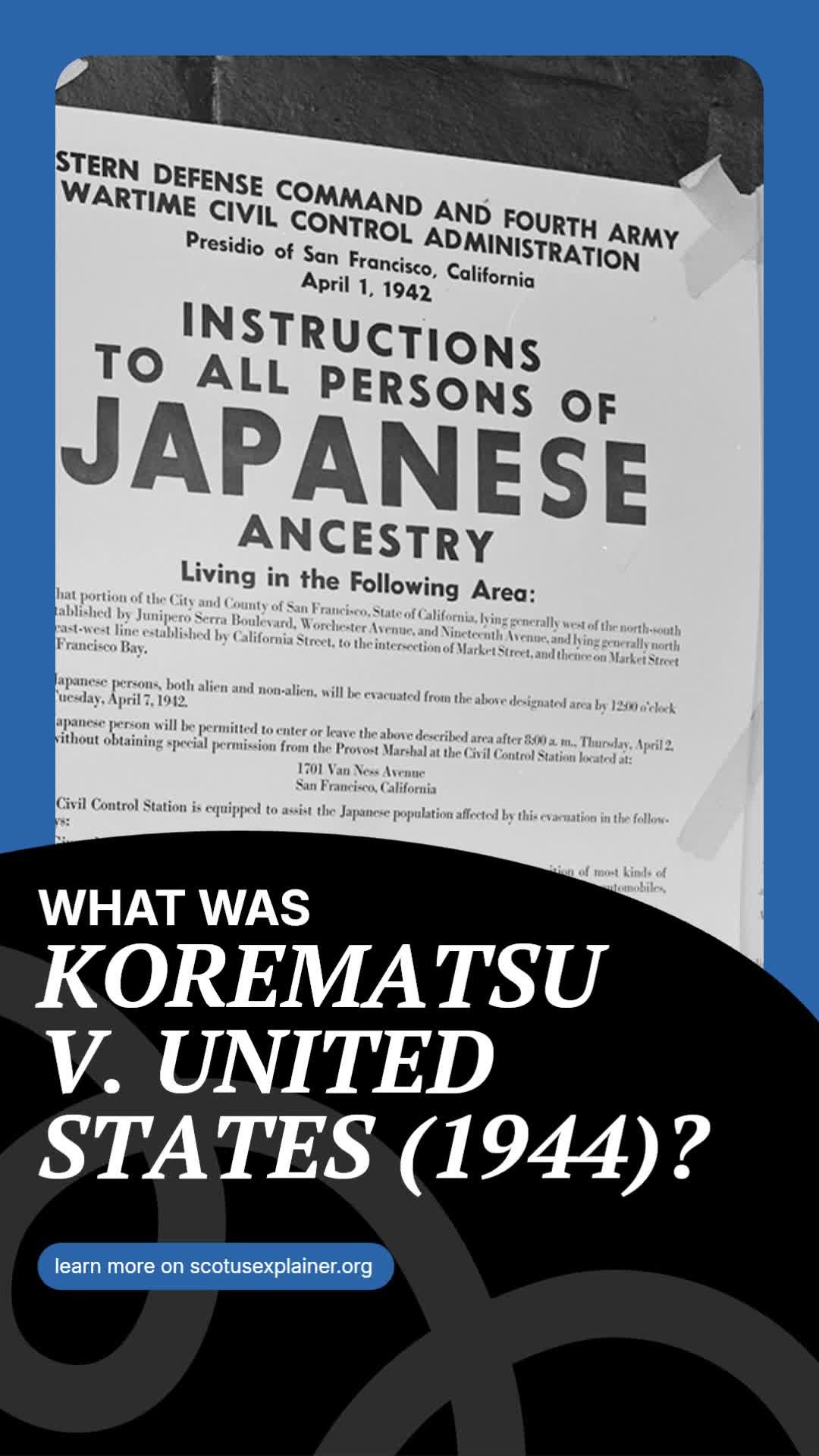
Korematsu v. United States was an infamous Supreme Court case that ruled to allow the government to force citizens into internment camps during WWII.
Citizens United v. FEC is an infamous SCOTUS ruling that determined that corporations and labor unions have First Amendment Free Speech rights, and therefore they are able to donate to political action committees and finance election ads.
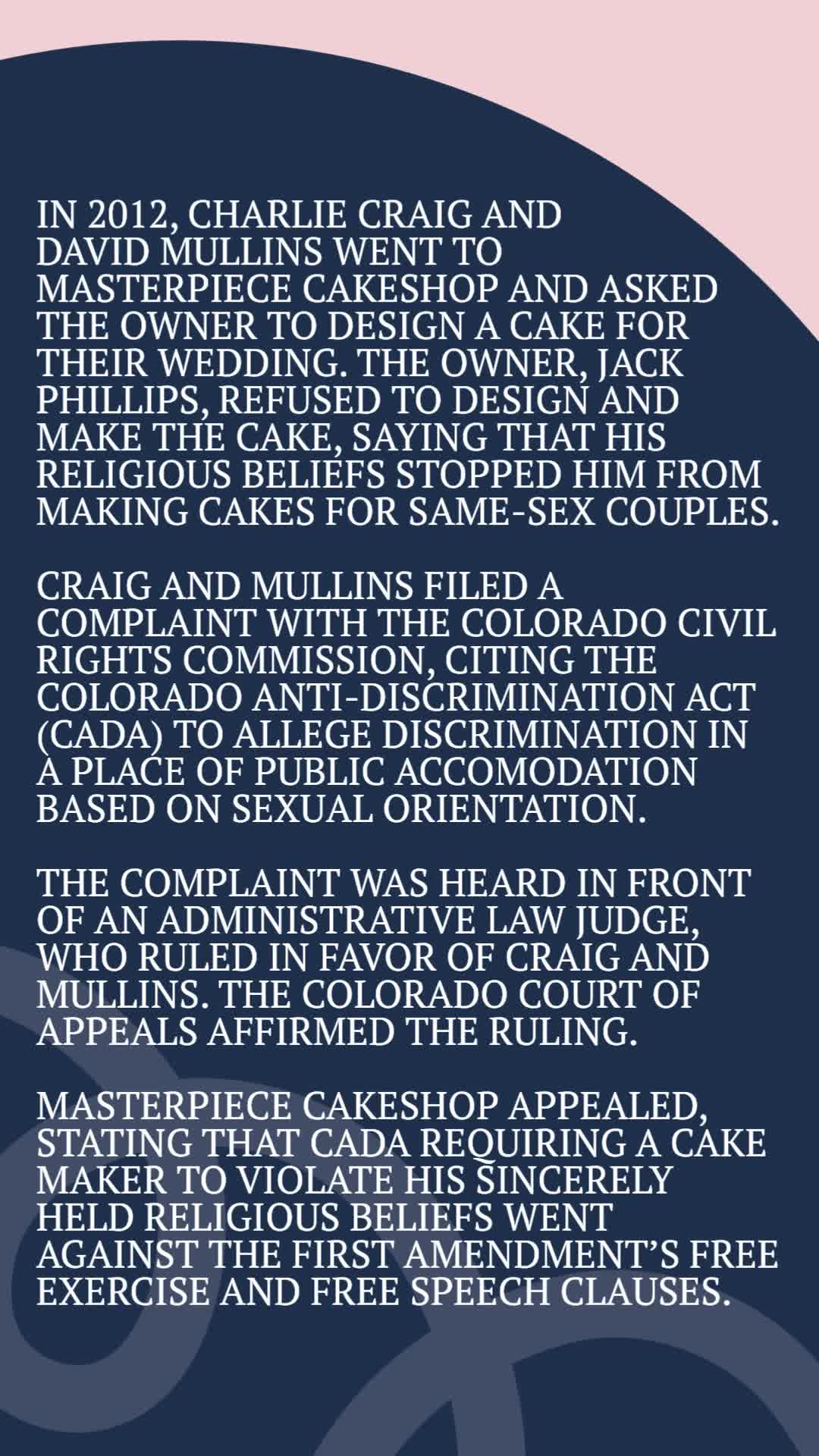
Masterpiece Cakeshop v. Colorado Civil Rights Commission was a case about the rights of a man to refuse to bake a wedding cake for a gay couple based on his religious beliefs.
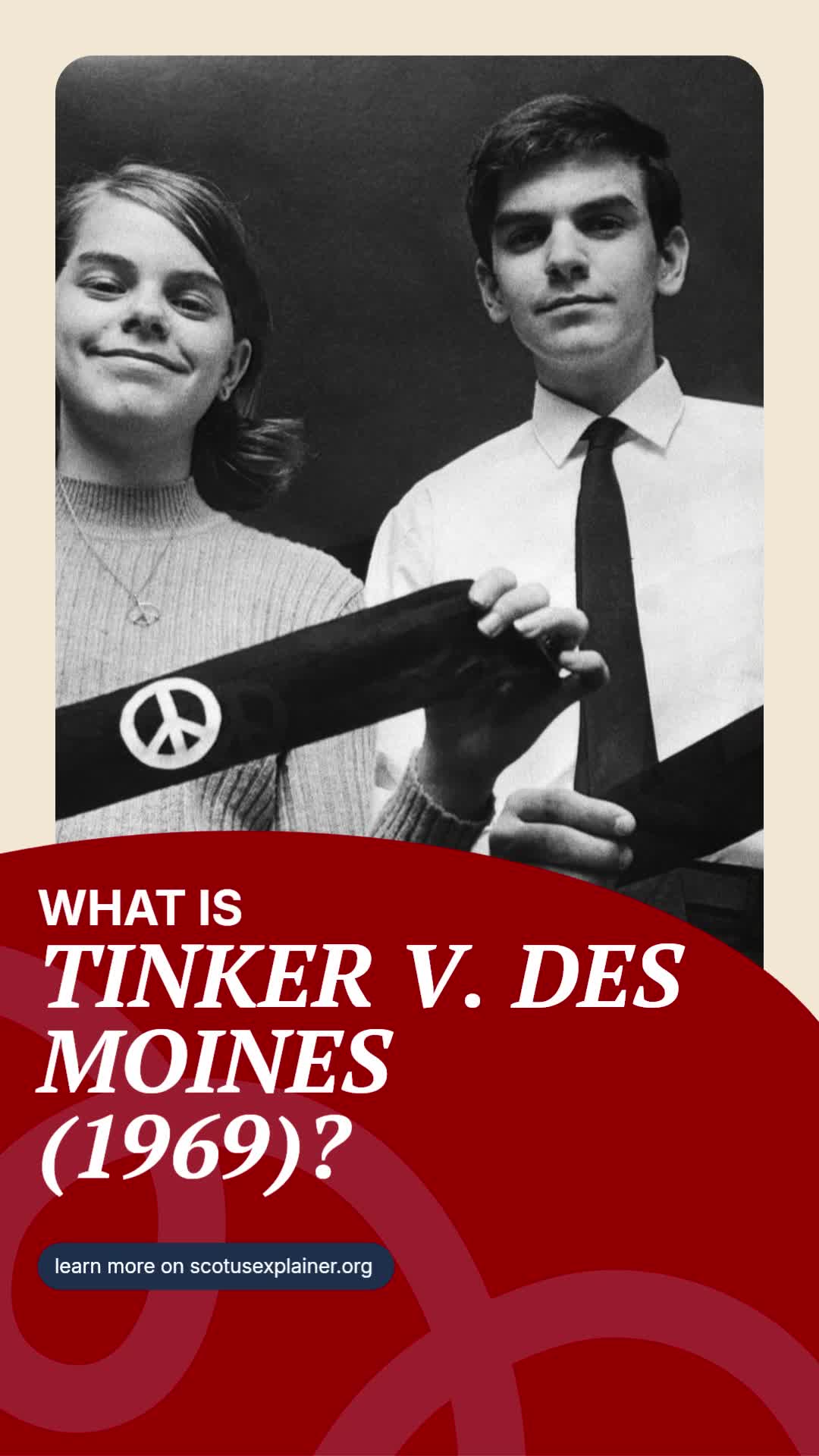
Tinker v. Des Moines was a landmark Supreme Court case that established that schoolchildren are still entitled to their constitutional rights while at school. The Court decided that students were allowed to protest the Vietnam War so long as their behavior was not substantially disruptive.
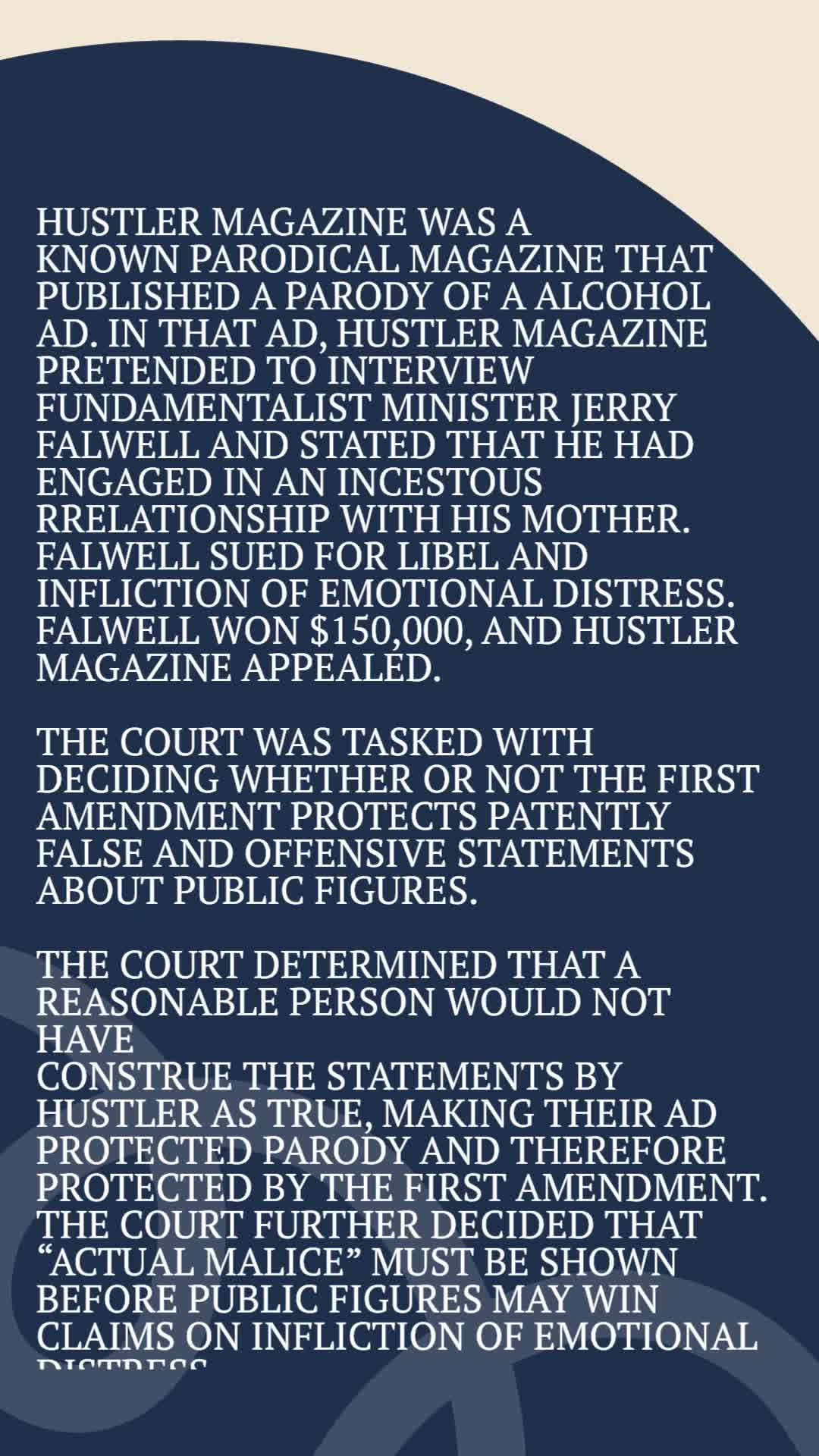
Hustler v. Falwell was a very important lawsuit dealing with protected parody in which the Supreme Court determined that an explicit disclaimer need not be given for clear jokes or parodical material.
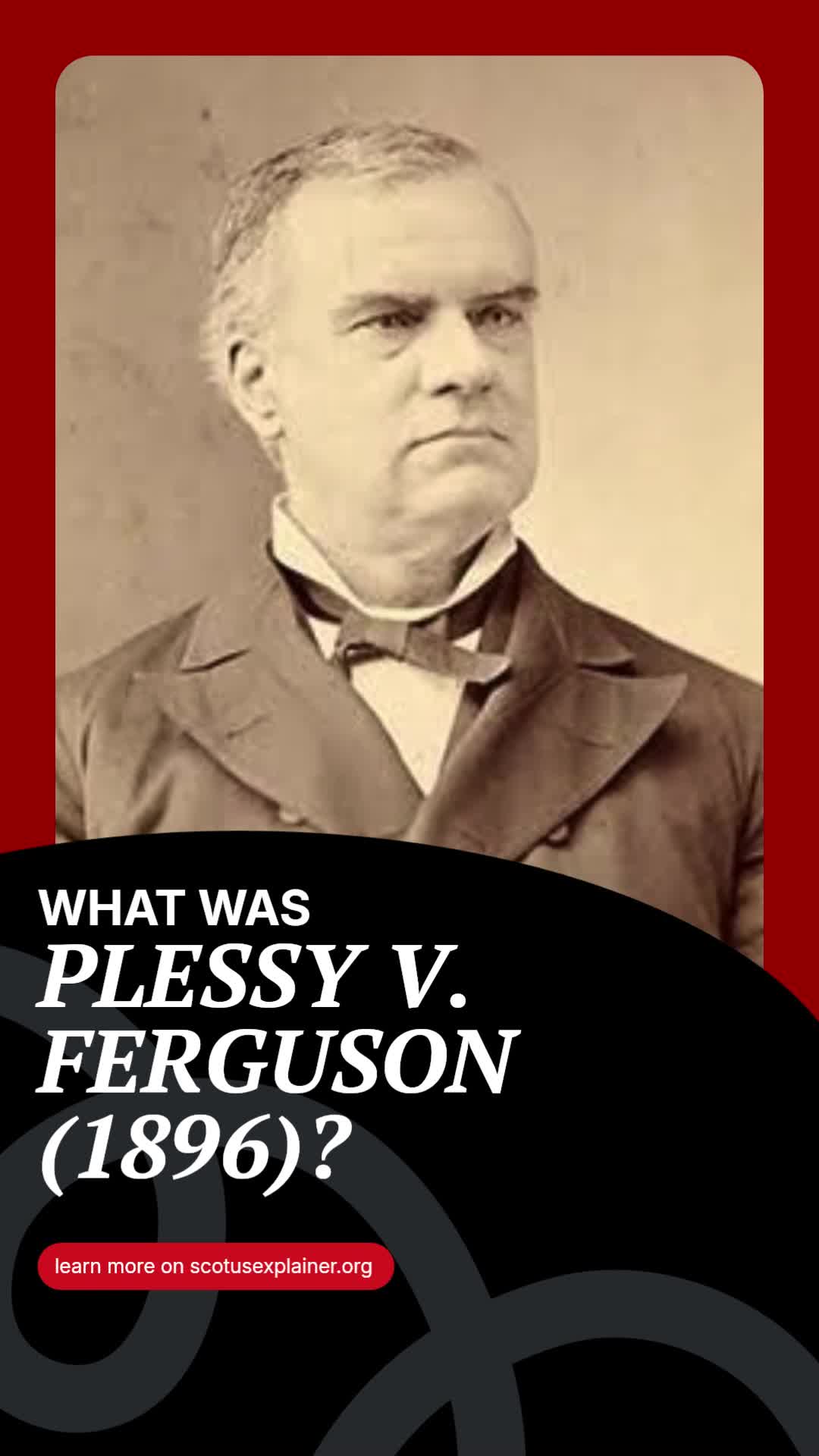
Plessy v. Ferguson was the infamous Supreme Court case that decided that segregation was constitutional and that established the standard “separate but equal.”
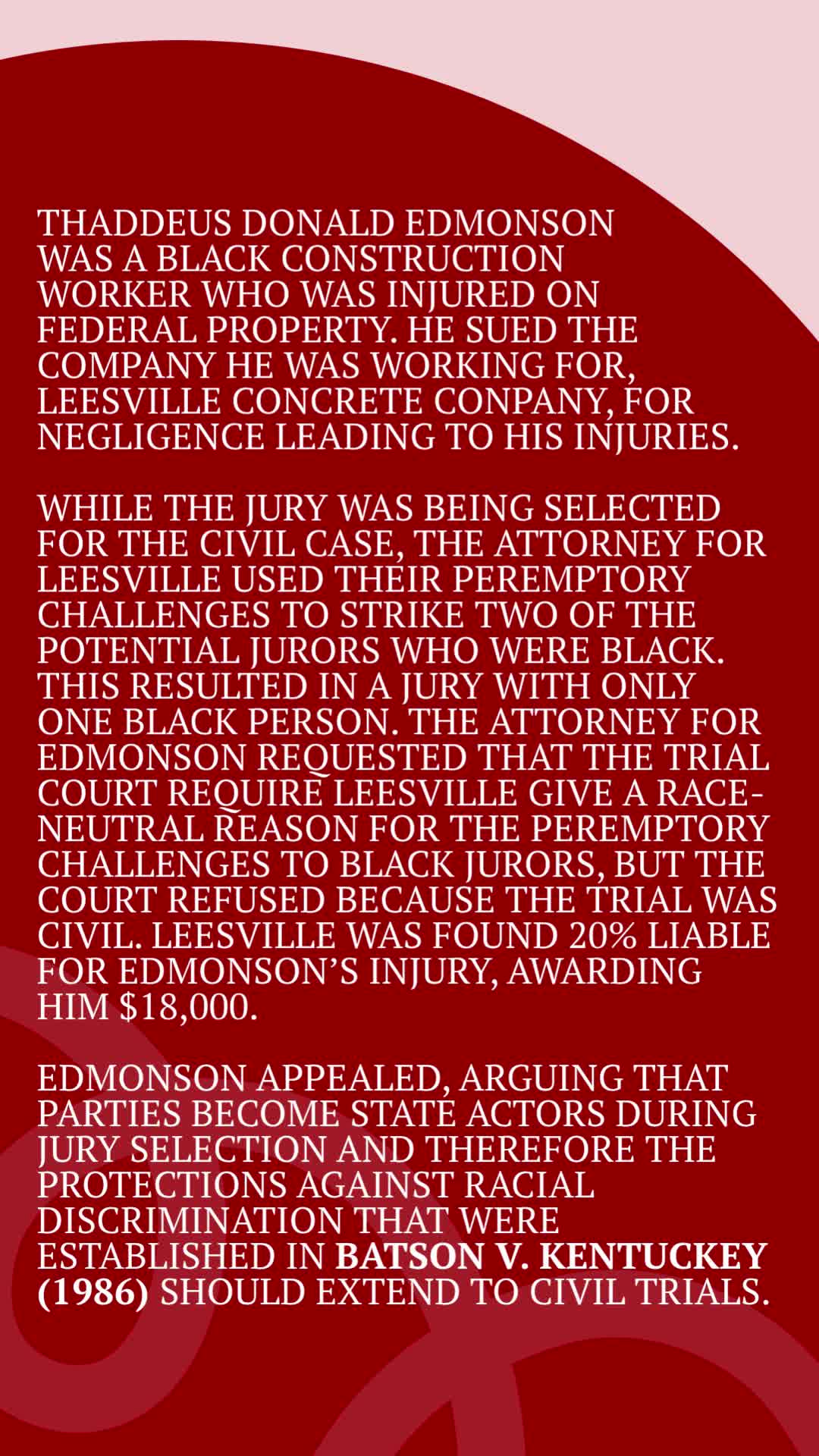
Edmonson v. Leesville extended existing protections against racial discrimination in jury selection to civil trials, not just criminal trials.
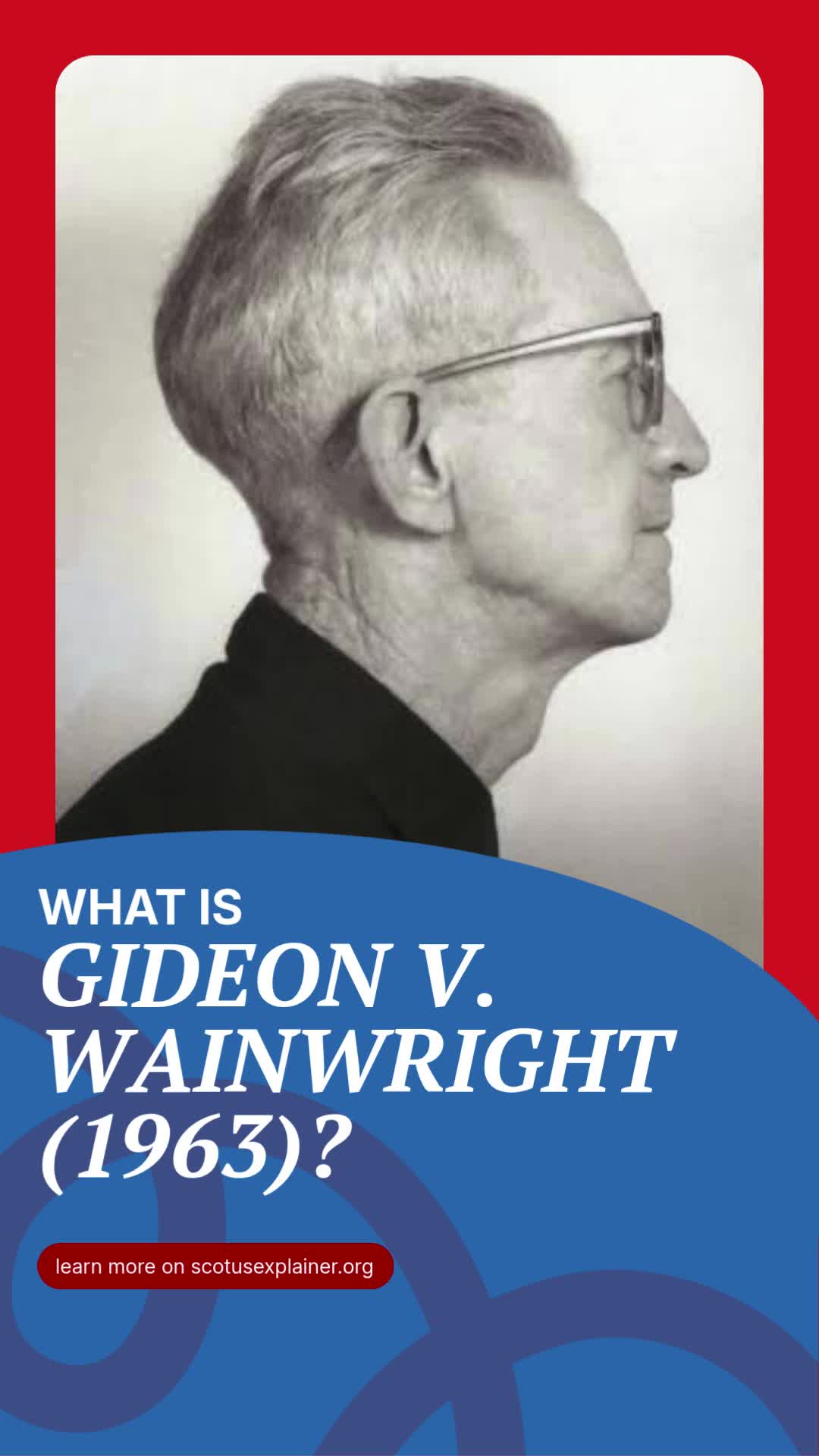
Gideon v. Wainwright is a major Supreme Court case that guaranteed that defendants who could not afford an attorney would be provided one in all criminal cases.
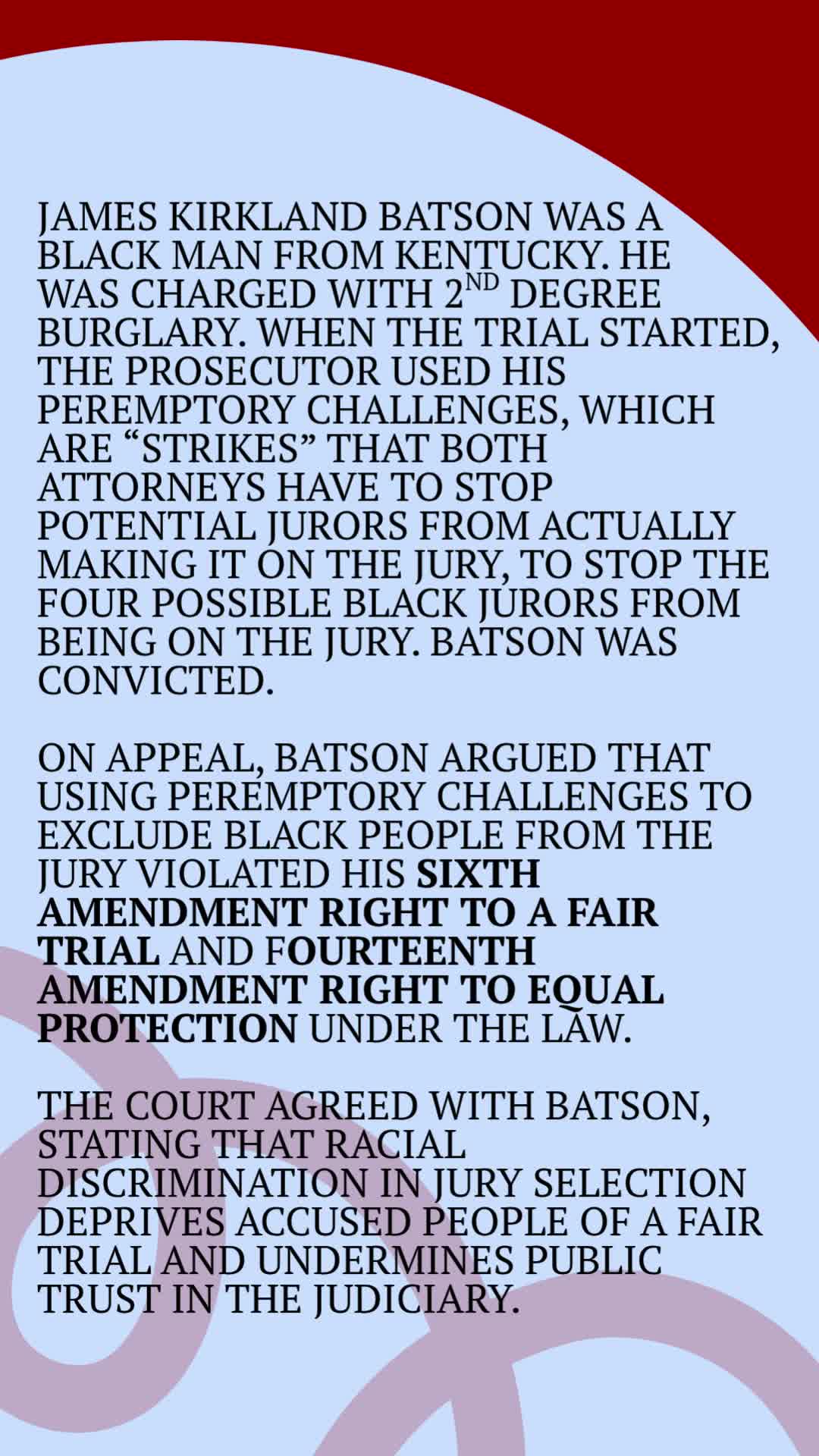
Batson v. Kentucky is a landmark Supreme Court case that stopped racial discrimination in jury selection using the Sixth and Fourteenth Amendment.
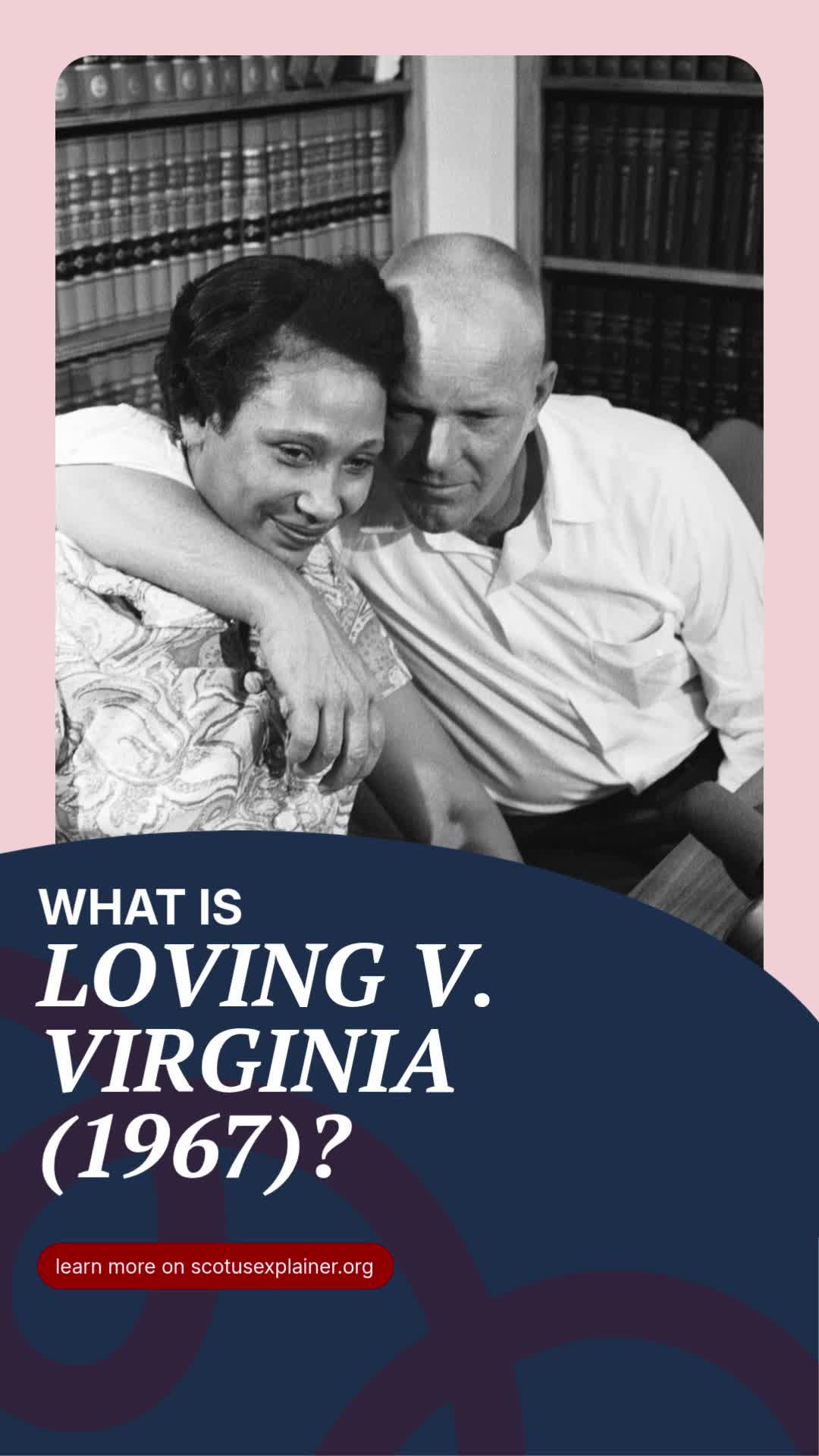
Loving v. Virginia was a landmark Supreme Court case that legalized interracial marriage across the country.
United States v. Lopez was a major Supreme Court case in which the Court put a limit on what Congress could legislate using the Commerce Clause, as they determined that possession of a firearm in school zones was not an economic activity.
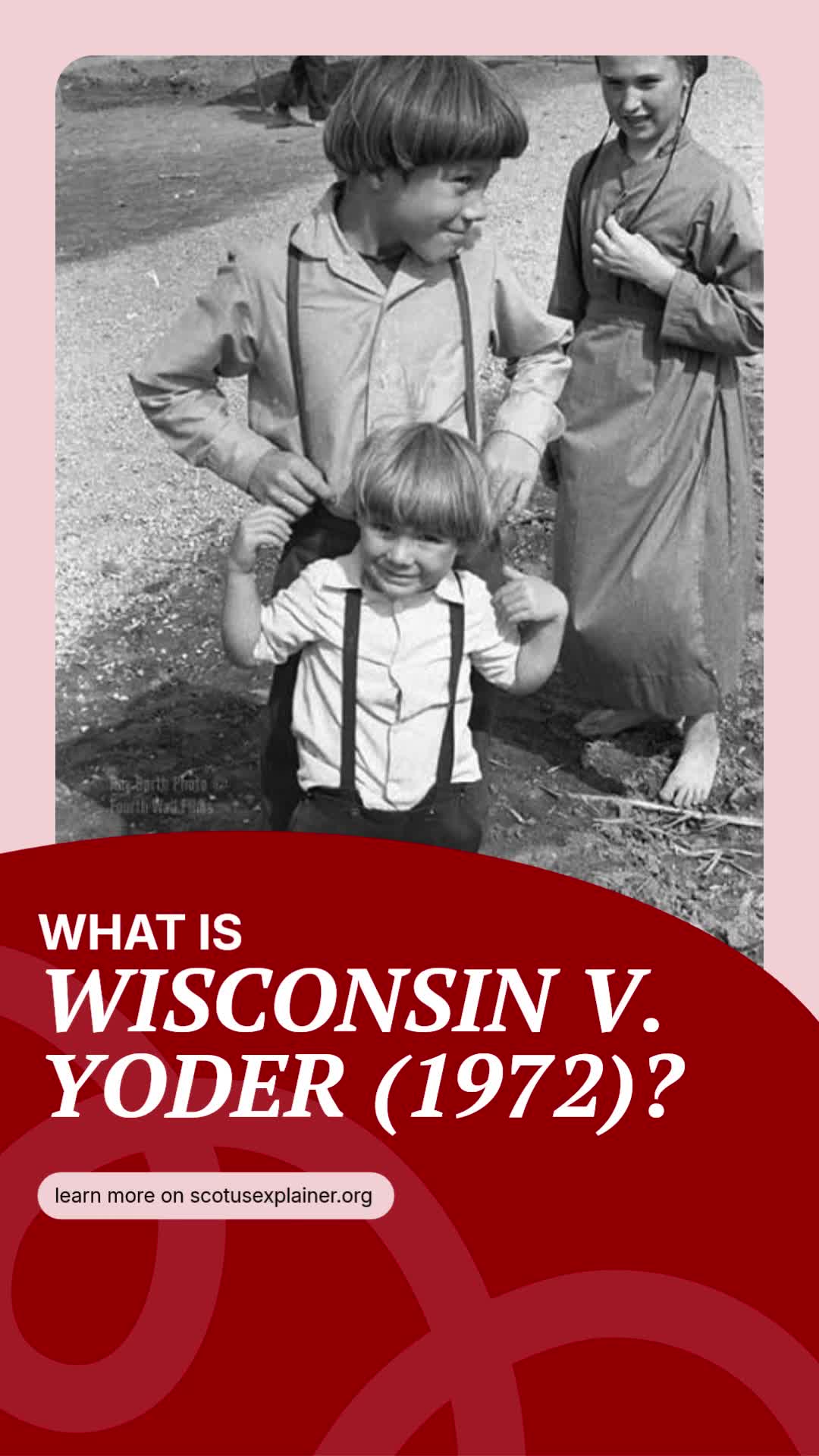
Wisconsin v. Yoder was a landmark case in which the Court decided that the government’s interest in compulsory education was outweighed by the need to protect free exercise of religion.
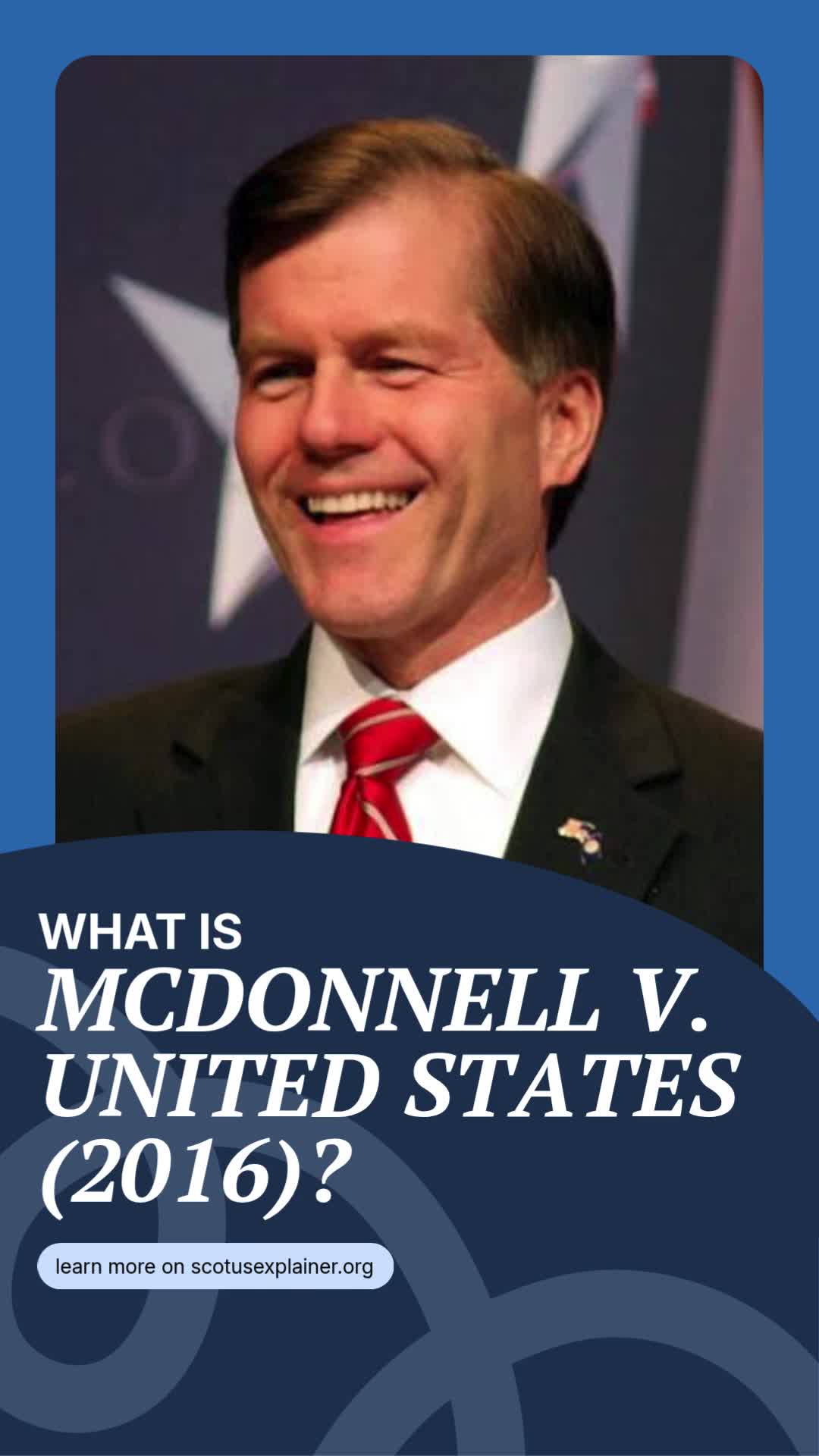
McDonnell v. United States established what behaviors counted as “official acts” for the purposes of federal bribery statutes. Governor McDonnell was accused of being bribed to set up phone calls, meetings, and launch events for the founder of a company, who, in turn, paid him and provided lavish gifts. The Court had to determine if these acts counted as official government action.
Engel v. Vitale was a landmark Supreme Court case that affirmed the “wall between church and State” within public schools, as it banned a school board from instituting a voluntary daily prayer.
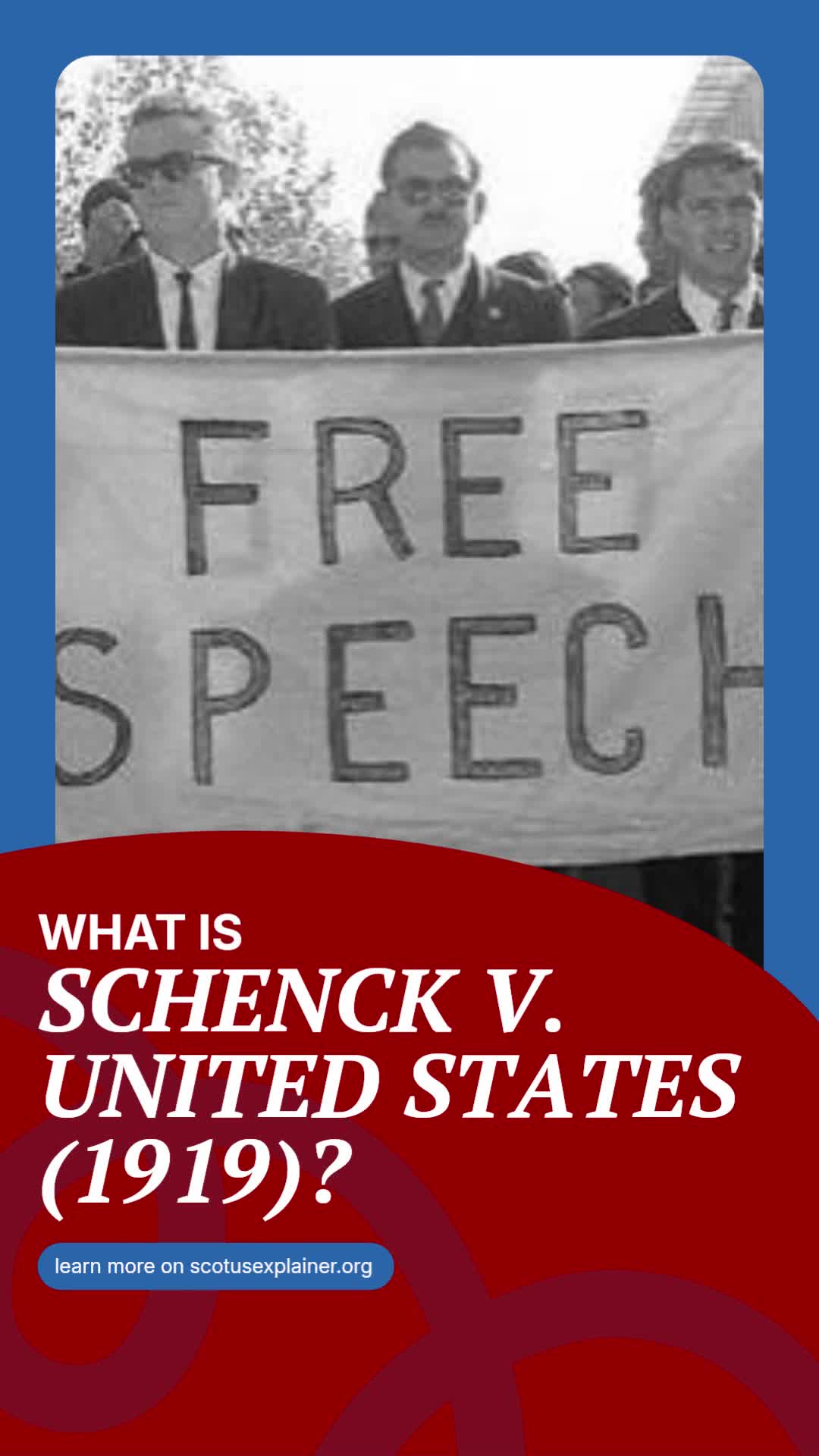
Schenck v. United States was a landmark case about free speech in which it was decided that the government could regulate speech that posed a “clear and present danger.”
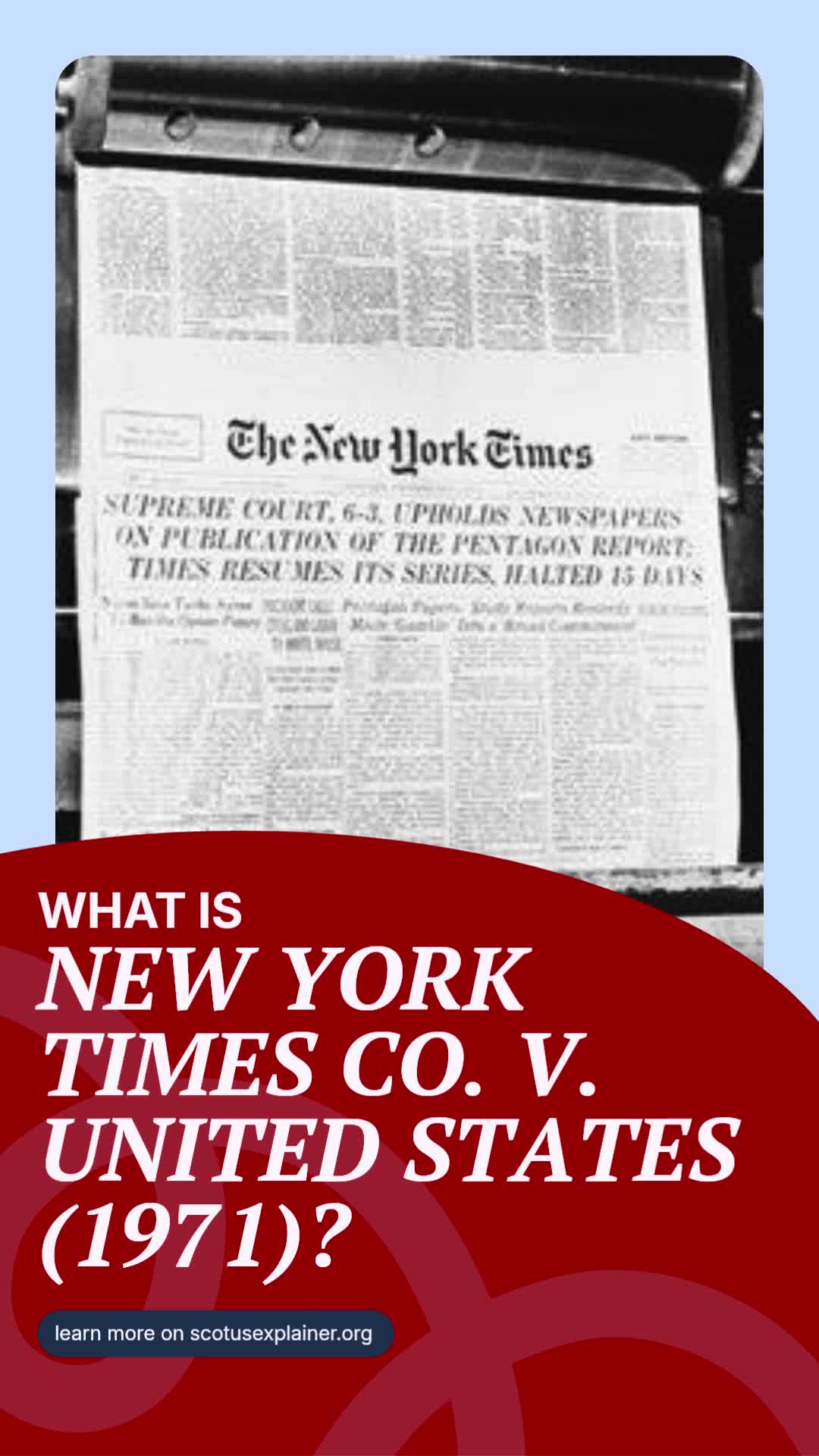
New York Times Co. v. United States was a landmark Supreme Court case that affirmed First Amendment protections for the press and prevented the government from stopping expression before it was made except for in extreme circumstances.
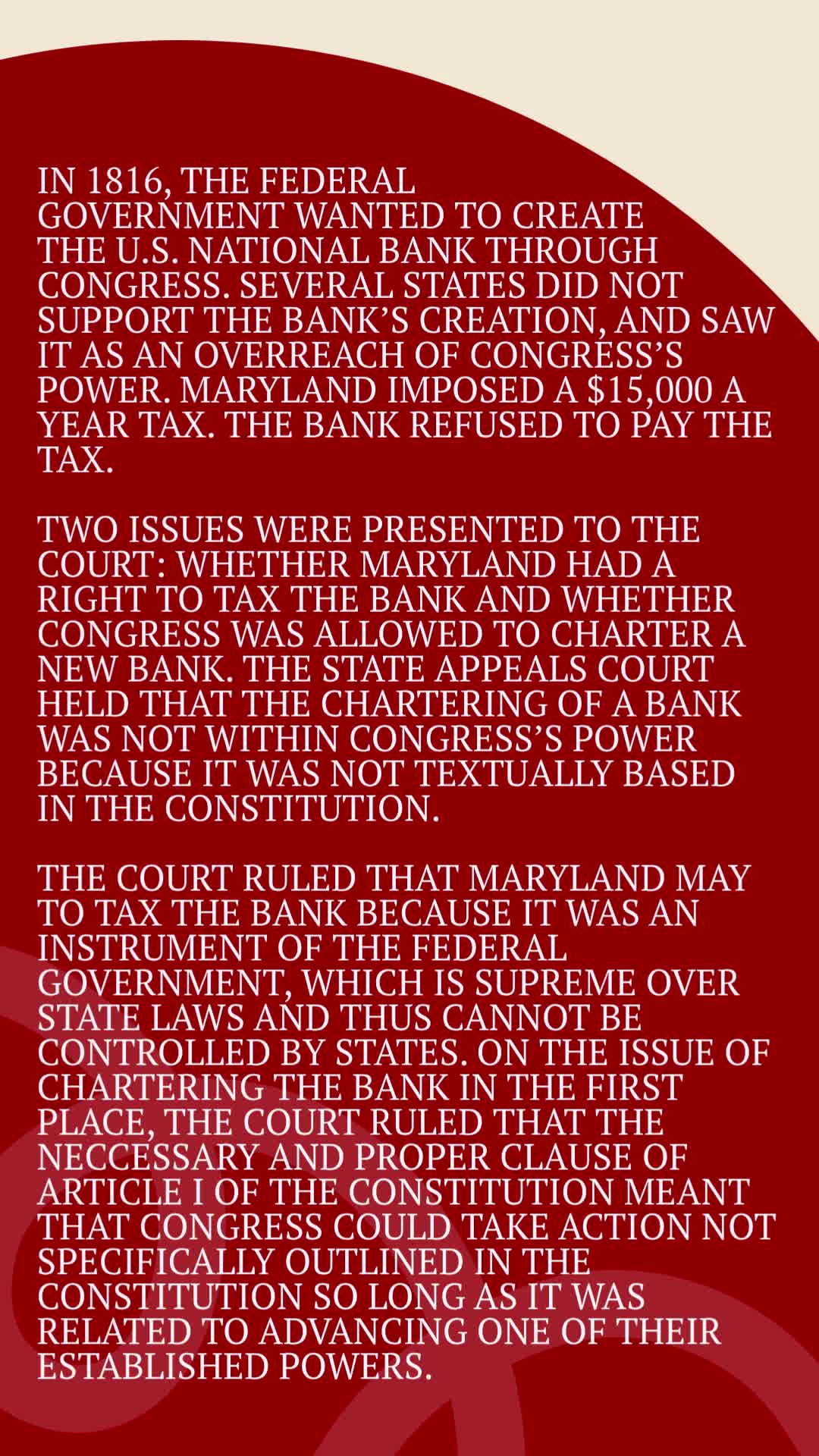
What is McCulloch v. Maryland was a landmark Supreme Court Case in which the Court ruled that Federal laws supercede State laws, and that Congress has many powers not explicitly granted to them in the Constitution because of the Necessary and Proper Clause.
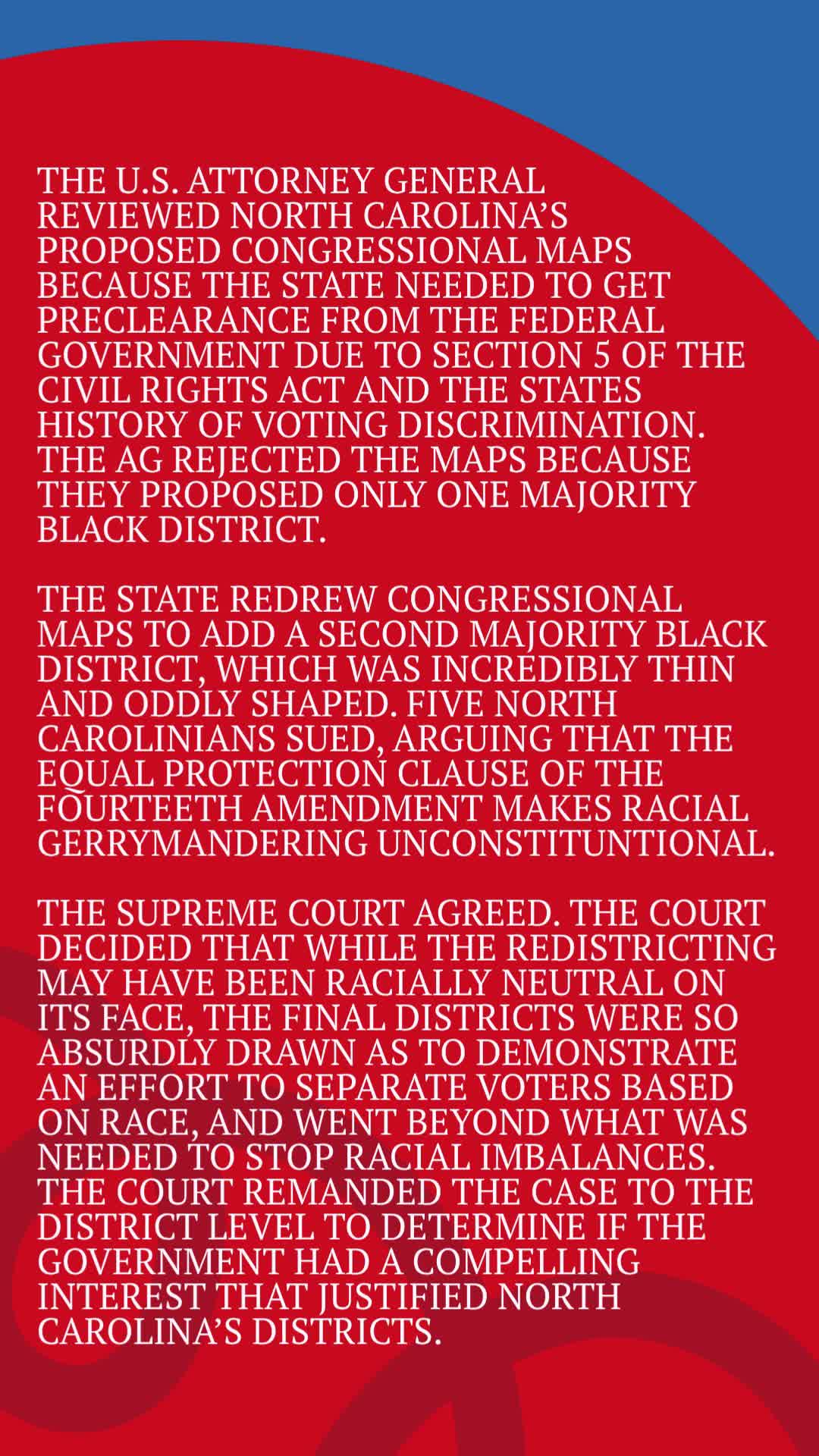
Shaw v. Reno was a landmark Supreme Court decision that dealt with the issue of gerrymandering. The Court ruled that ethnicity could not be the main factor in deciding how to draw Congressional Districts.
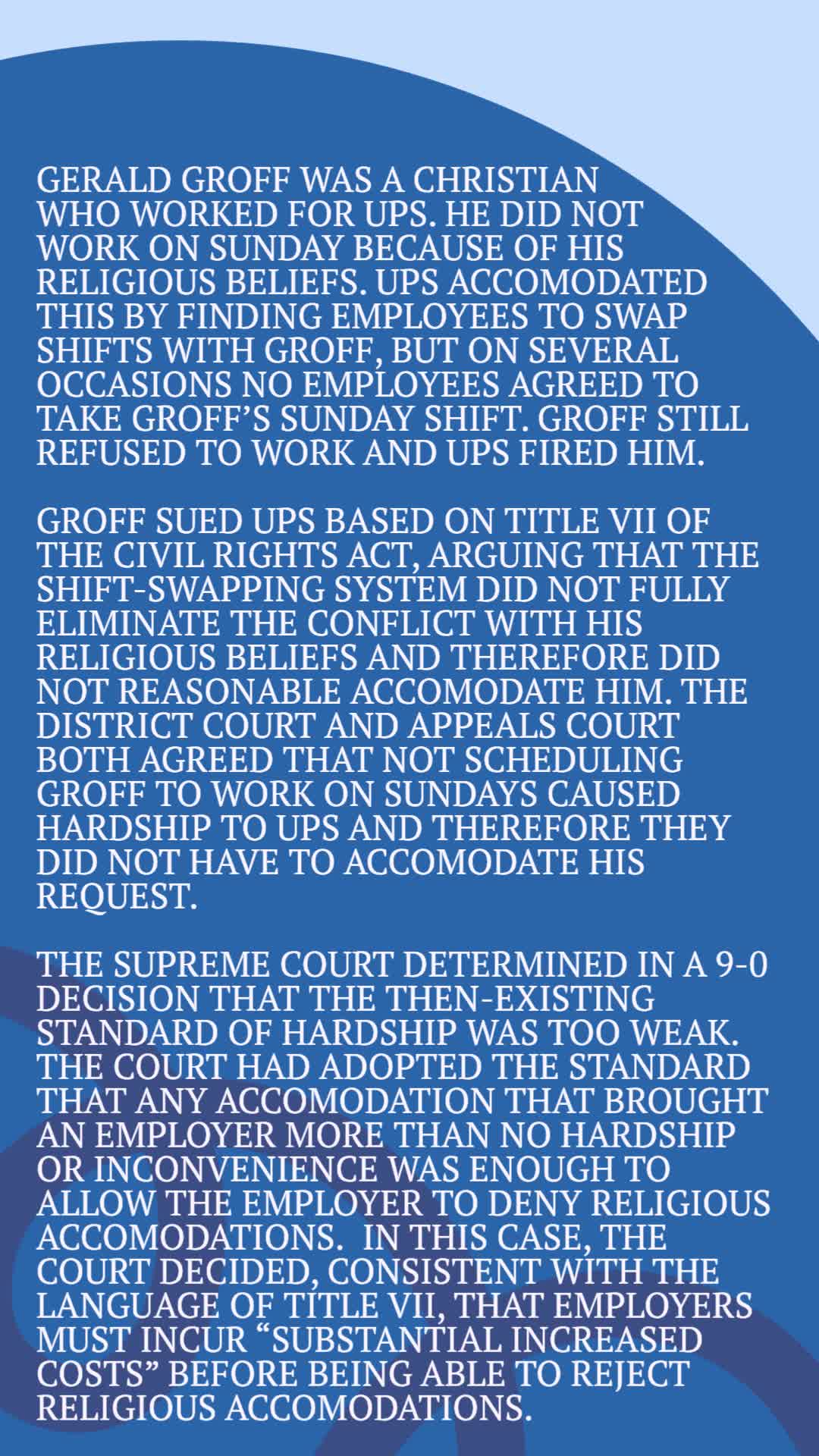
Groff v. DeJoy expanded protections for religious employees by increasing the standard of hardship and expense employers had to show that they incurred before they could deny religious accomodations.
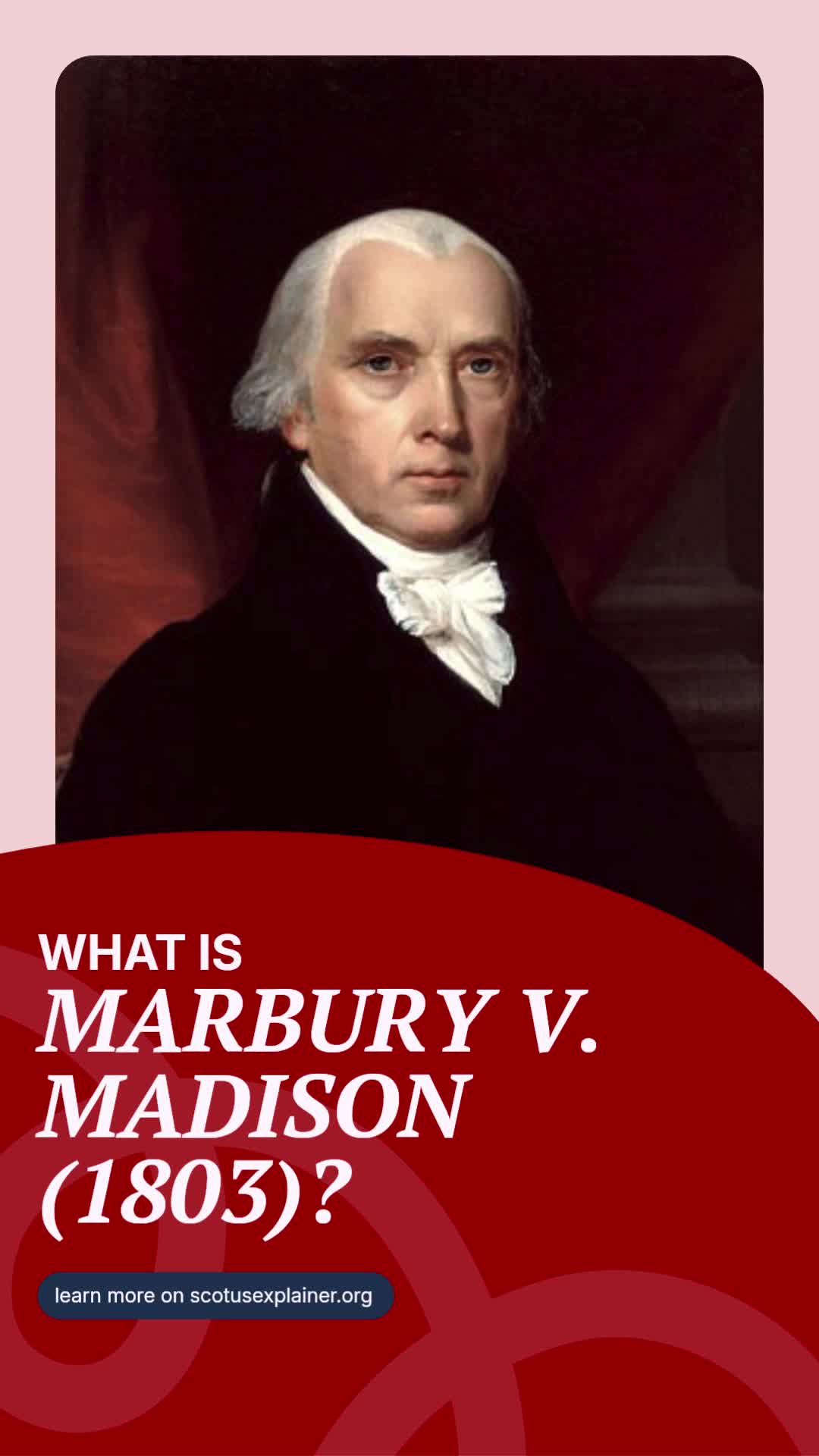
Marbury v. Madison was a landmark Supreme Court that established the principle of judicial review, a key power of the Supreme Court.
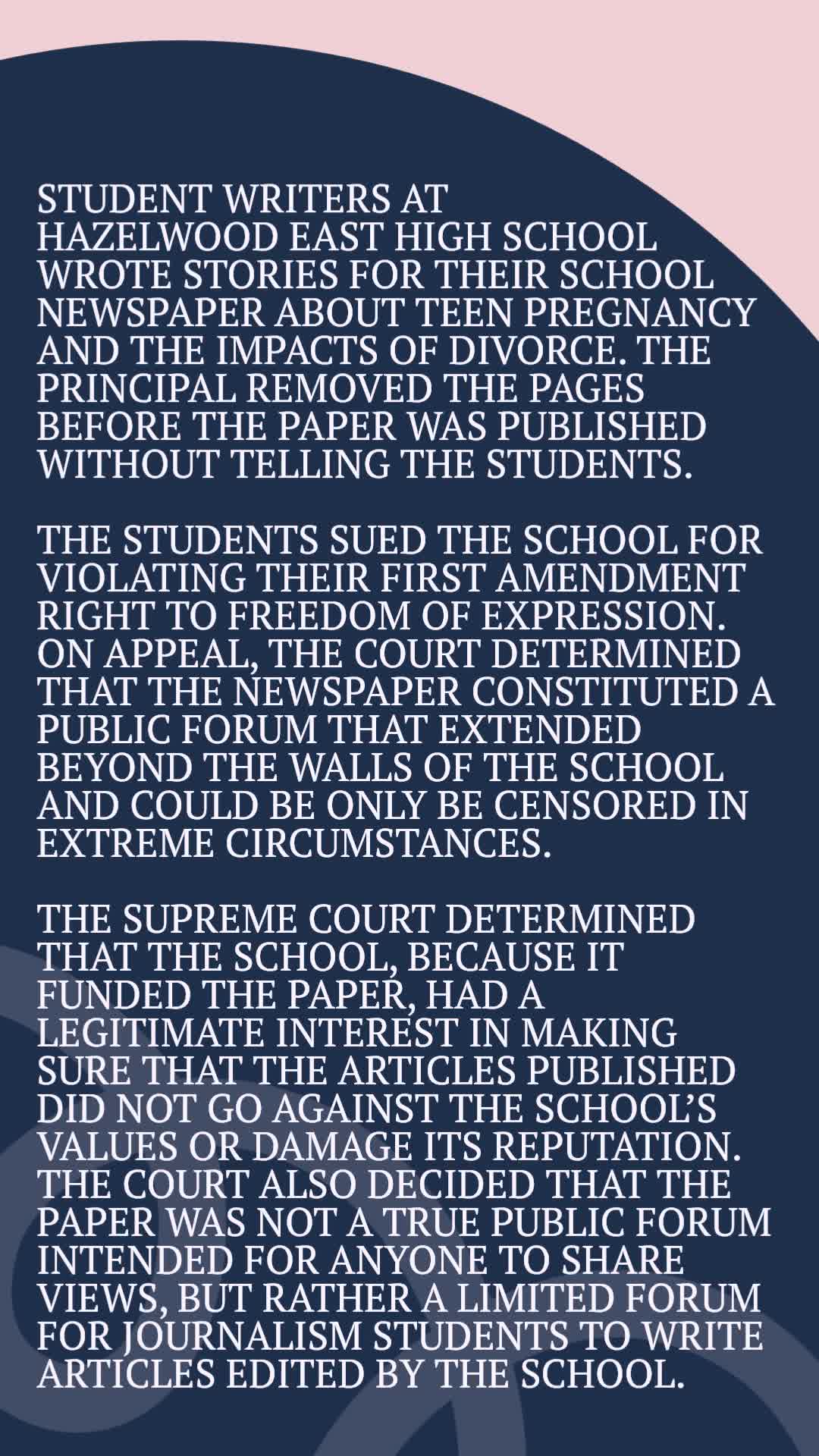
Hazelwood v. Kuhlmeier established that schools are able to censor student expression in a school-sponsored newspaper when the content may disrupt learning or reflect negatively on the school’s values.
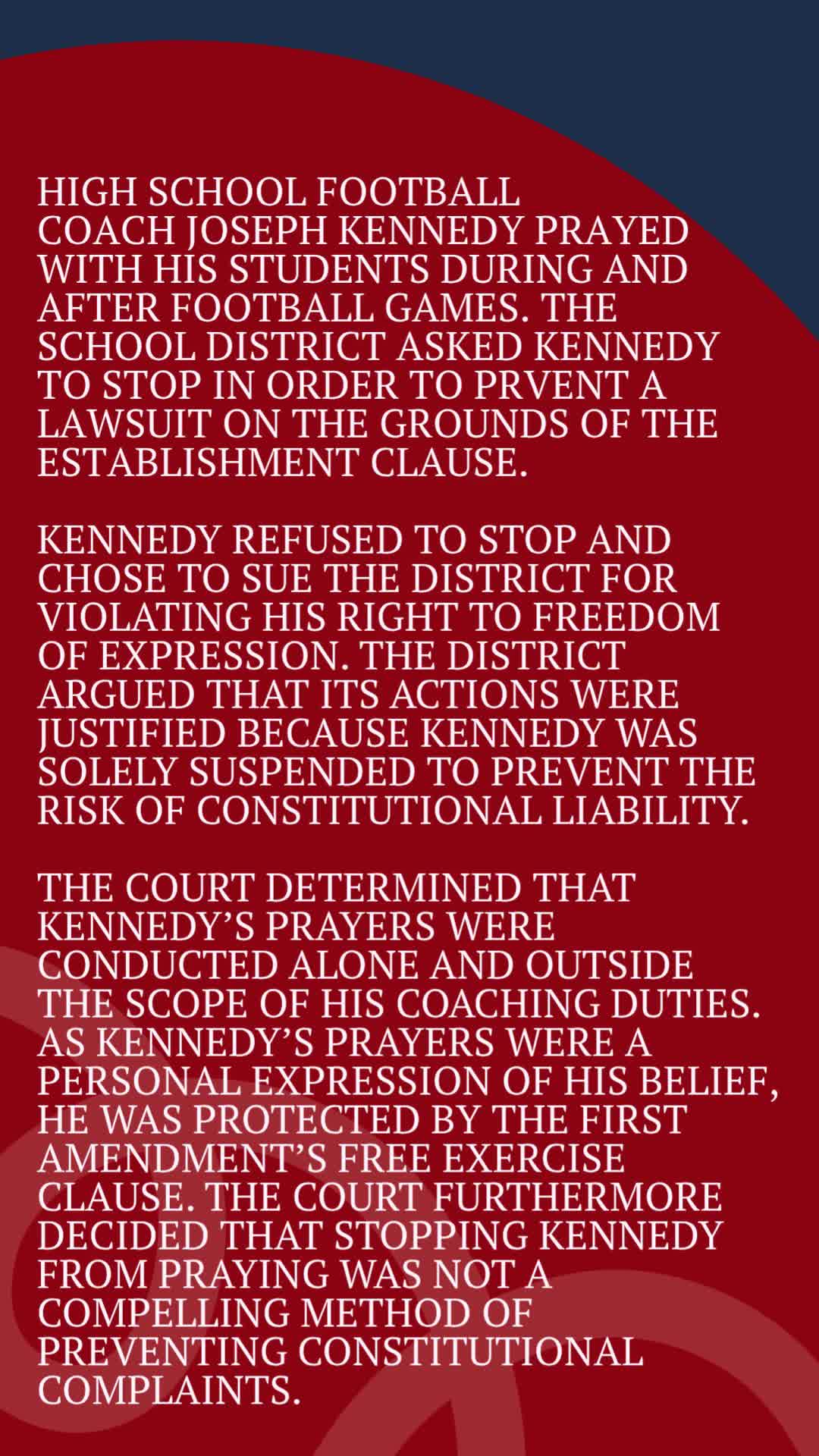
Kennedy v. Bremerton School District affirmed the free exercise rights of teachers while at school-sponsored events and did away with the Lemon test as a way of seeing if laws violated the Establishment Clause of the First Amendment.
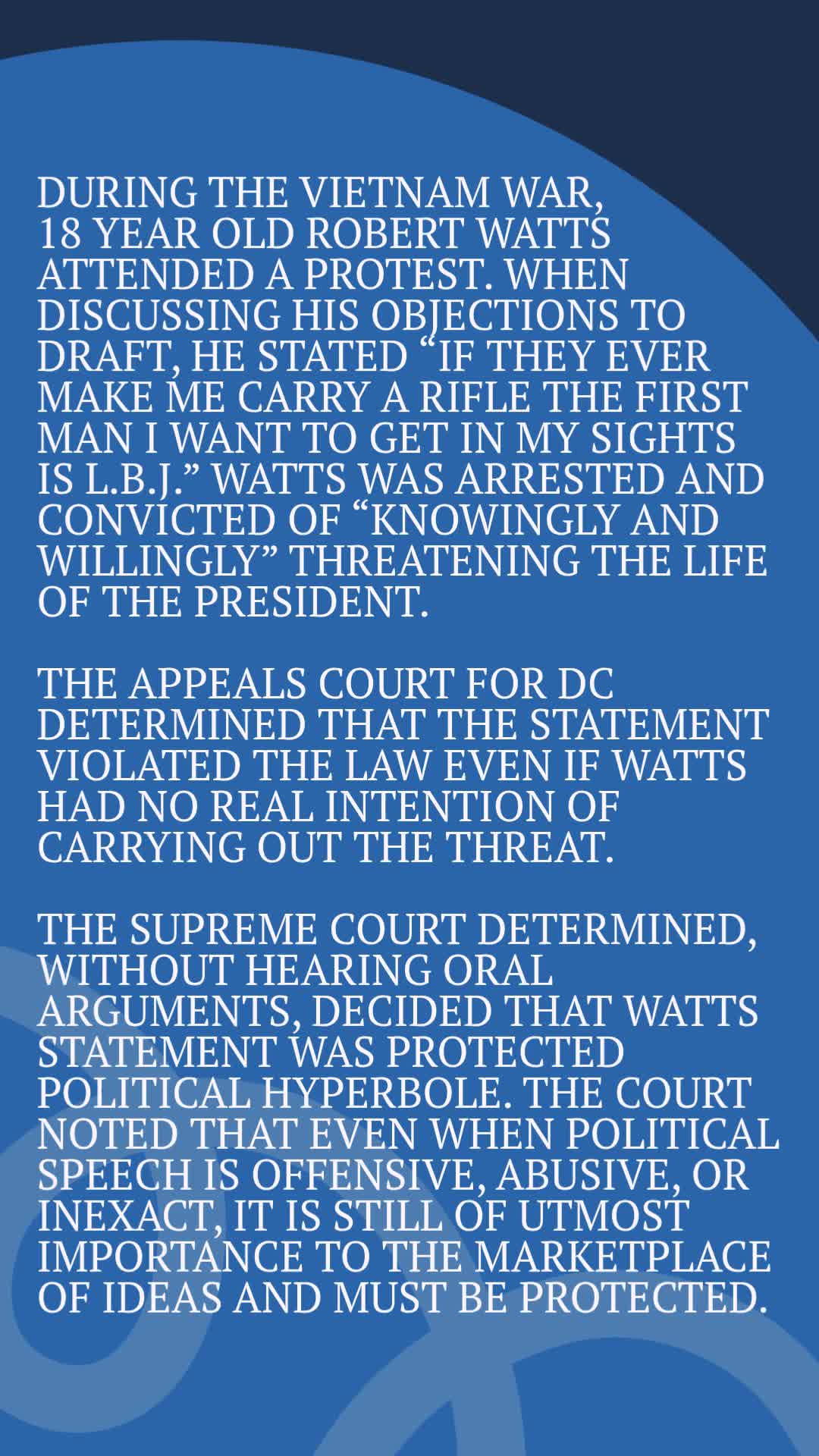
Watts v. United States affirmed that political hyperbole, even when it is crude or abusive, is constitutionally protected free speech because of the high value placed on protecting criticism of the government.
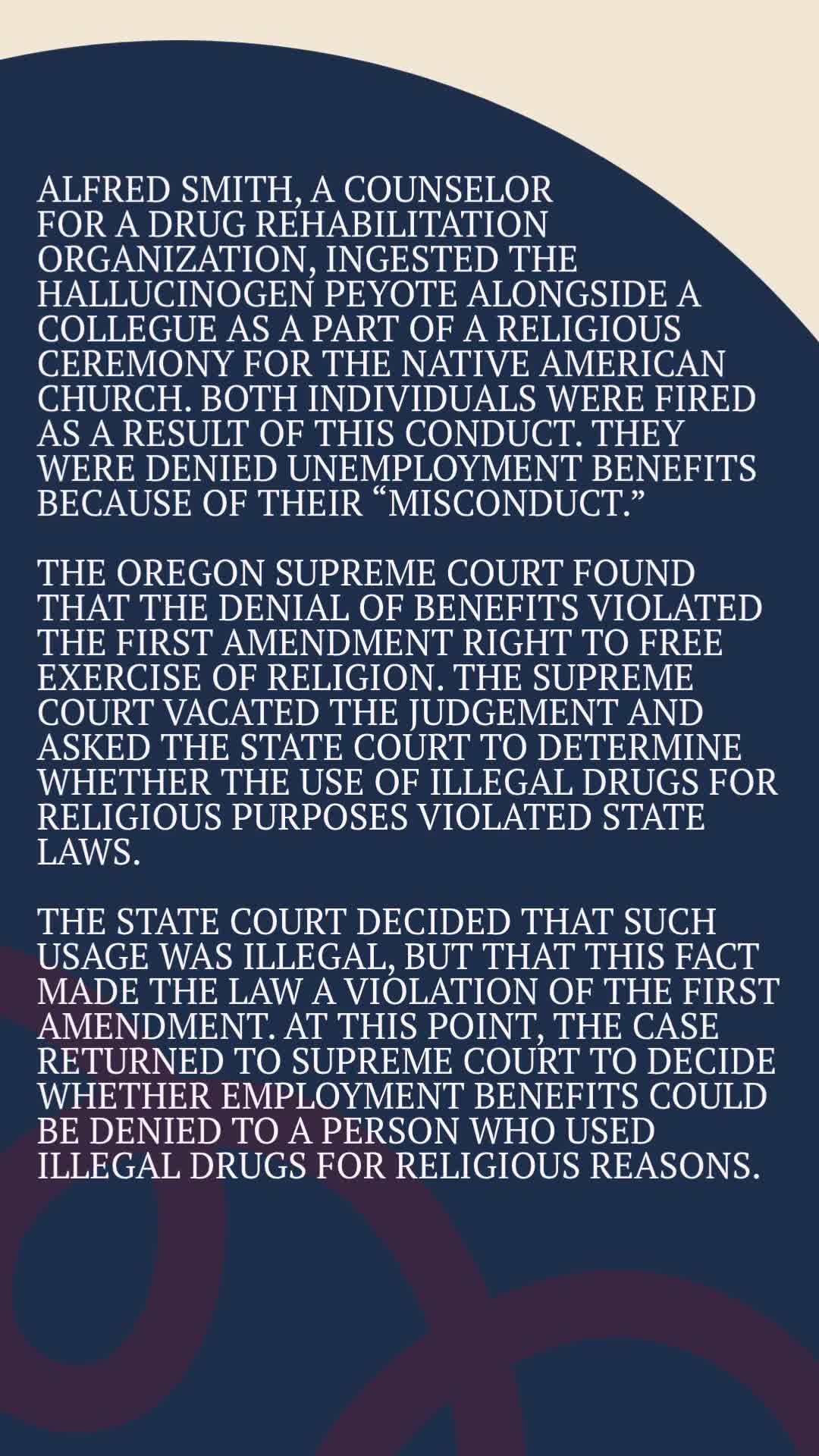
Employment Division v. Smith was a key decision regarding the First Amendment’s Free Exercise Clause. The Court determined that religious beliefs were not a valid reason to disregard laws.
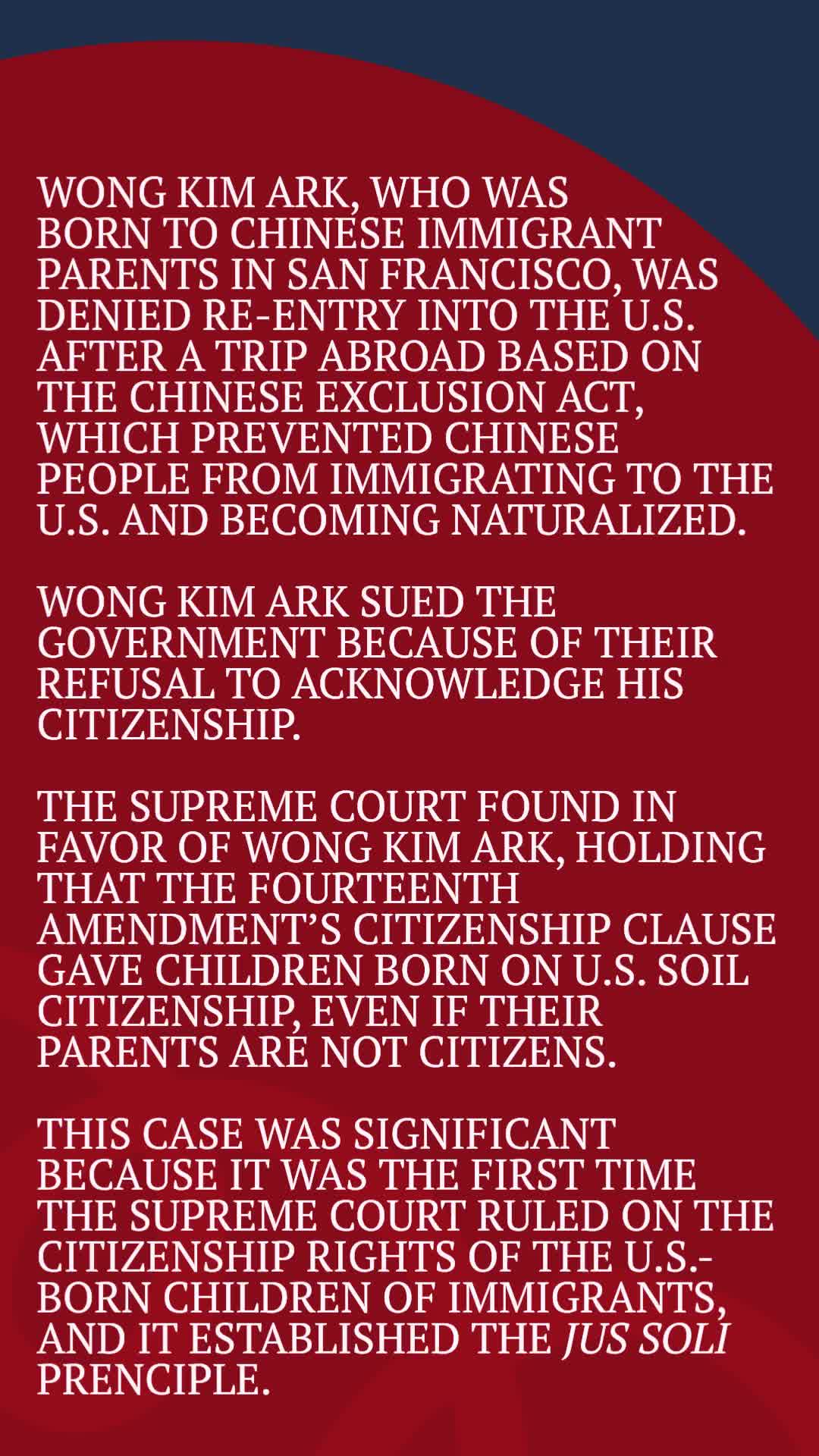
United States v. Wong Kim Ark established birthright citizenship for all children born on U.S. soil, even if their parents were not U.S. citizens, using the Fourteenth Amendment’s Citizenship Clause.
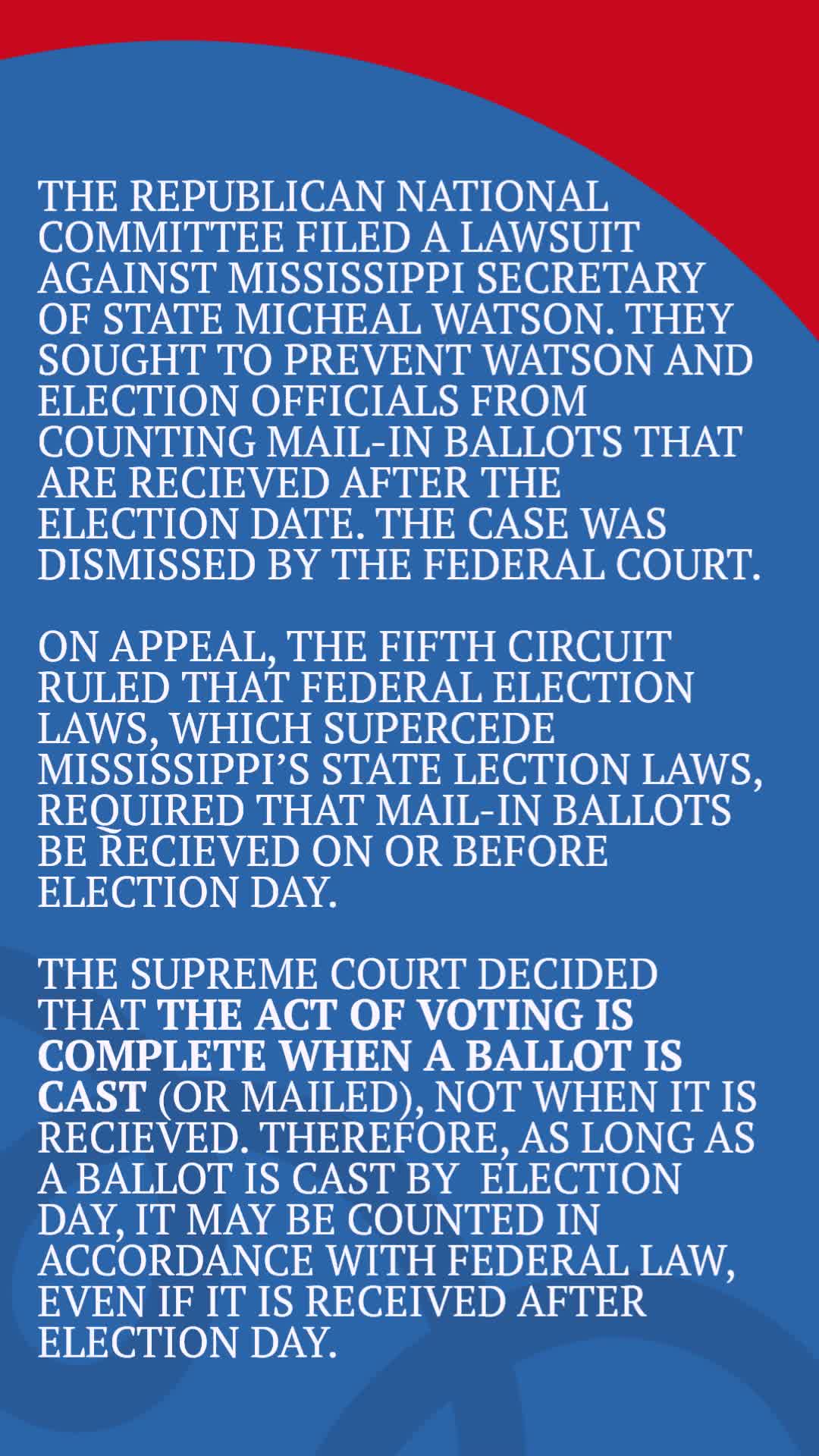
Watson v. RNC was heard in the 2026 Supreme Court session and dealt with the issue of voting by mail. the RNC argued that ballots received in the mail after election day should not be able to count. The Court decided that federal statutes are not violated by state laws that allow ballots to be received late, as long as they are cast by election day.
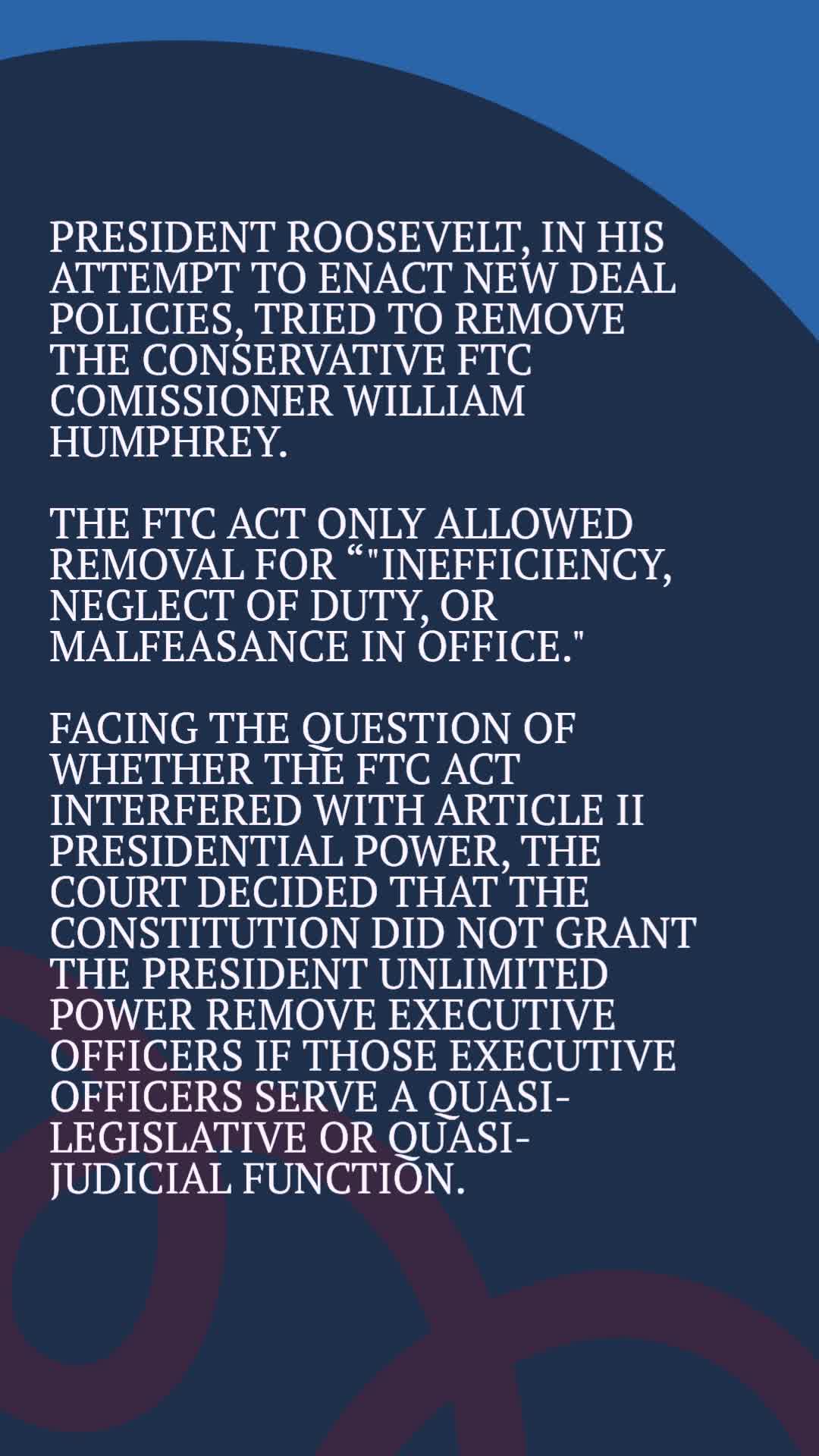
After the Supreme Court’s decision in Trump v. Slaughter, Humphrey’s Executor v. U.S. was overturned. The case protected those working for independent federal agencies from removal by the president without just case. This acted as a check on executive power for over 90 years.