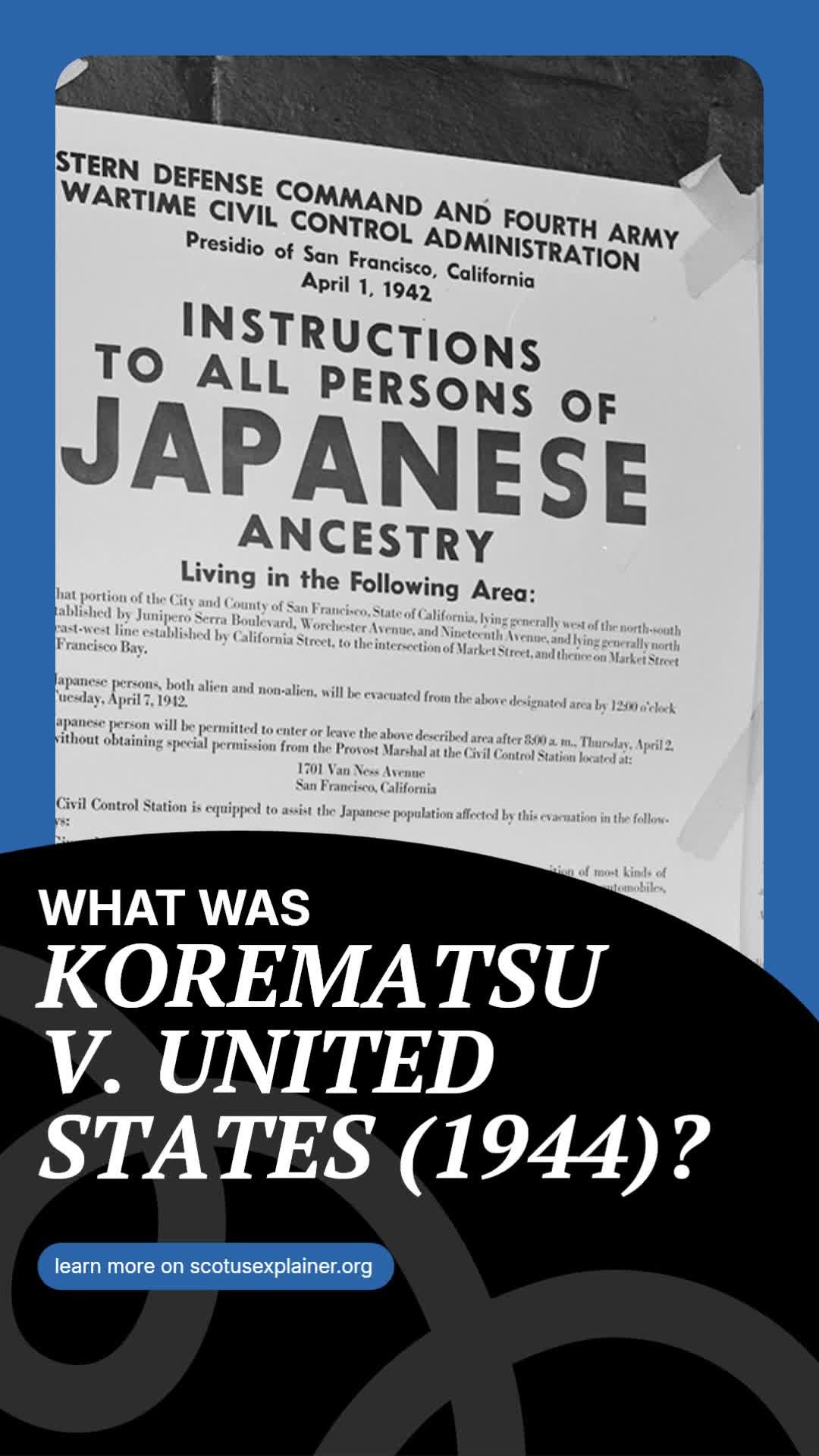
Korematsu v. United States was an infamous Supreme Court case that ruled to allow the government to force citizens into internment camps during WWII.
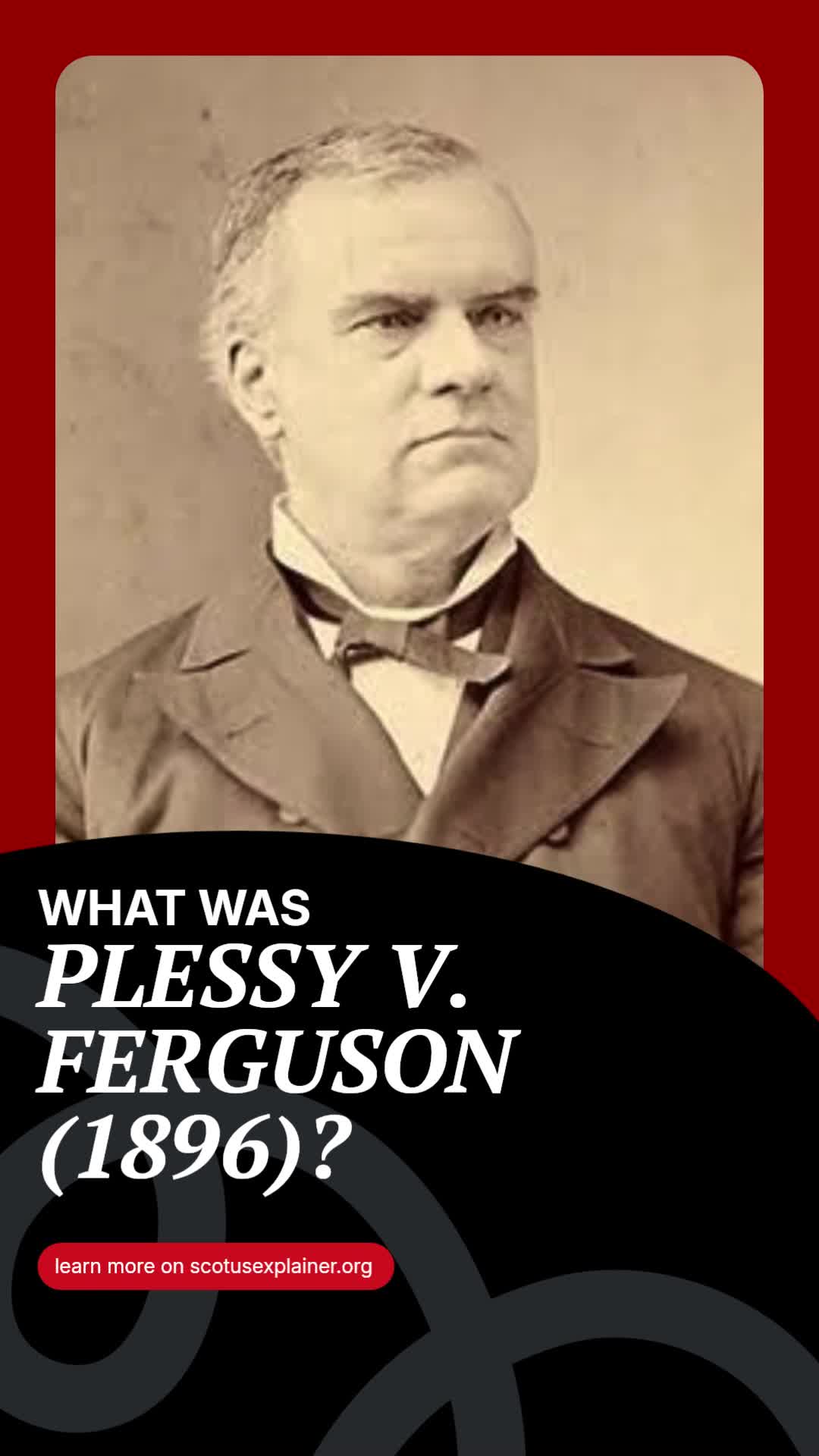
Plessy v. Ferguson was the infamous Supreme Court case that decided that segregation was constitutional and that established the standard “separate but equal.”
Edmonson v. Leesville extended existing protections against racial discrimination in jury selection to civil trials, not just criminal trials.
Batson v. Kentucky is a landmark Supreme Court case that stopped racial discrimination in jury selection using the Sixth and Fourteenth Amendment.
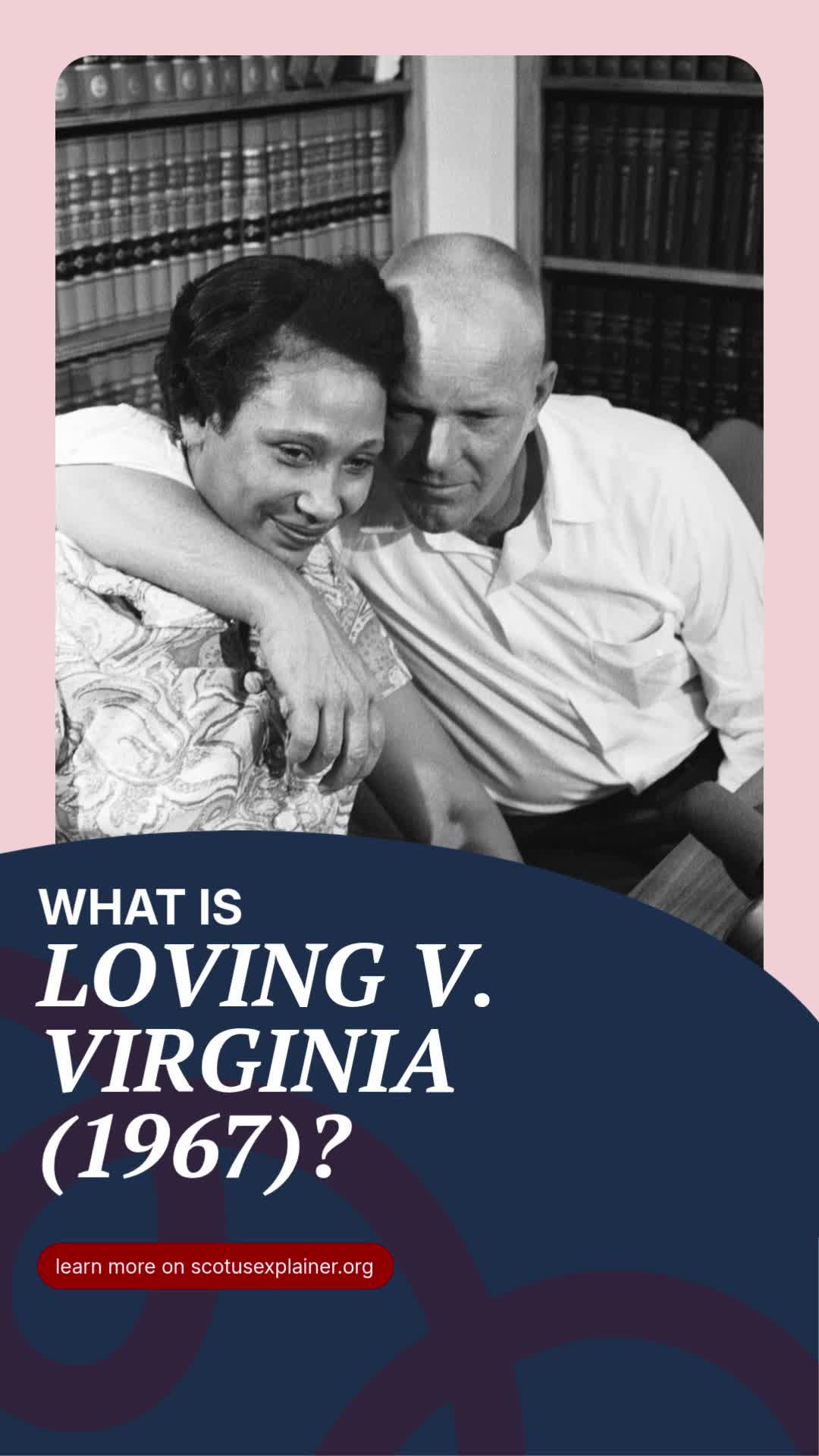
Loving v. Virginia was a landmark Supreme Court case that legalized interracial marriage across the country.
Hazelwood v. Kuhlmeier established that schools are able to censor student expression in a school-sponsored newspaper when the content may disrupt learning or reflect negatively on the school’s values.
Watts v. United States affirmed that political hyperbole, even when it is crude or abusive, is constitutionally protected free speech because of the high value placed on protecting criticism of the government.
Employment Division v. Smith was a key decision regarding the First Amendment’s Free Exercise Clause. The Court determined that religious beliefs were not a valid reason to disregard laws.
United States v. Wong Kim Ark established birthright citizenship for all children born on U.S. soil, even if their parents were not U.S. citizens, using the Fourteenth Amendment’s Citizenship Clause.
After the Supreme Court’s decision in Trump v. Slaughter, Humphrey’s Executor v. U.S. was overturned. The case protected those working for independent federal agencies from removal by the president without just case. This acted as a check on executive power for over 90 years.